
World war I (part 4) | Tweet
Published in Greece  - Social interactions and entertainment - 0 - 31 Jan 20 04:23
Progress of the war
Opening hostilitiesConfusion among the Central Powers
The strategy of the Central Powers suffered from miscommunication. Germany had promised to support Austria-Hungarys invasion of Serbia, but interpretations of what this meant differed. Previously tested deployment plans had been replaced early in 1914, but those had never been tested in exercises. Austro-Hungarian leaders believed Germany would cover its northern flank against Russia. Germany, however, envisioned Austria-Hungary directing most of its troops against Russia, while Germany dealt with France. This confusion forced the Austro-Hungarian Army to divide its forces between the Russian and Serbian fronts.
Serbian campaign
Austria invaded and fought the Serbian army at the Battle of Cer and Battle of Kolubara beginning on 12 August. Over the next two weeks, Austrian attacks were thrown back with heavy losses, which marked the first major Allied victories of the war and dashed Austro-Hungarian hopes of a swift victory. As a result, Austria had to keep sizeable forces on the Serbian front, weakening its efforts against Russia.
 
Serbias defeat of the Austro-Hungarian invasion of 1914 has been called one of the major upset victories of the twentieth century. The campaign saw the very first use of medical evacuation by the Serbian army in autumn of 1915 and anti-aircraft warfare in the spring of 1915 after an Austrian plane was shot down with ground-to-air fire.
German Offensive in Belgium and France
When the war began, the German Order of Battle placed 80% of the army in the West, with the remainder acting as a screening force in the East. The plan was to quickly knock France out of the war, then redeploy to the East and do the same to Russia.The German offensive in the West was officially titled Aufmarsch II West, but is better known as the Schlieffen Plan, after its original creator. Schlieffen deliberately kept the German left (i.e. its positions in Alsace-Lorraine) weak to lure the French into attacking there, while the majority were allocated to the German right, so as to sweep through Belgium, encircle Paris and trap the French armies against the Swiss border (the French charged into Alsace-Lorraine on the outbreak of war as envisaged by their Plan XVII, thus actually aiding this strategy). 
However, Schlieffens successor Moltke grew concerned that the French might push too hard on his left flank. As such, as the German Army increased in size in the years leading up to the war, he changed the allocation of forces between the German right and left wings from 85:15 to 70:30. Ultimately, Moltkes changes meant insufficient forces to achieve decisive success and thus unrealistic goals and timings.
The initial German advance in the West was very successful: by the end of August the Allied left, which included the British Expeditionary Force (BEF), was in full retreat; French casualties in the first month exceeded 260,000, including 27,000 killed on 22 August during the Battle of the Frontiers. German planning provided broad strategic instructions, while allowing army commanders considerable freedom in carrying them out at the front; this worked well in 1866 and 1870 but in 1914, von Kluck used this freedom to disobey orders, opening a gap between the German armies as they closed on Paris. The French and British exploited this gap to halt the German advance east of Paris at the First Battle of the Marne from 5 to 12 September and push the German forces back some 50 km (31 mi).In 1911, the Russian Stavka had agreed with the French to attack Germany within 15 days of mobilisation; this was unrealistic and the two Russian armies that entered East Prussia on 17 August did so without many of their support elements.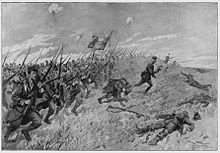
The Russian Second Army was effectively destroyed at the Battle of Tannenberg on 26–30 August but the Russian advance caused the Germans to re-route their 8th Field Army from France to East Prussia, a factor in Allied victory on the Marne. By the end of 1914, German troops held strong defensive positions inside France, controlled the bulk of Frances domestic coalfields and had inflicted 230,000 more casualties than it lost itself. However, communications problems and questionable command decisions cost Germany the chance of a decisive outcome while it had failed to achieve the primary objective of avoiding a long, two-front war.This amounted to a strategic defeat; shortly after the Marne, Crown Prince Wilhelm told an American reporter; We have lost the war. It will go on for a long time but lost it is already.[
Asia and the Pacific
New Zealand occupied German Samoa (later Western Samoa) on 30 August 1914. On 11 September, the Australian Naval and Military Expeditionary Force landed on the island of Neu Pommern (later New Britain), which formed part of German New Guinea. On 28 October, the German cruiser SMS Emden sank the Russian cruiser Zhemchug in the Battle of Penang. Japan seized Germanys Micronesian colonies and, after the Siege of Tsingtao, the German coaling port of Qingdao on the Chinese Shandong peninsula. As Vienna refused to withdraw the Austro-Hungarian cruiser SMS Kaiserin Elisabeth from Tsingtao, Japan declared war not only on Germany, but also on Austria-Hungary; the ship participated in the defence of Tsingtao where it was sunk in November 1914.
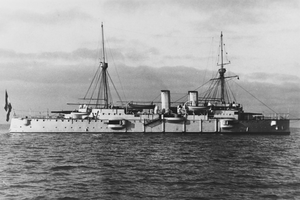 
Within a few months, the Allied forces had seized all the German territories in the Pacific; only isolated commerce raiders and a few holdouts in New Guinea remained.
African campaigns
Some of the first clashes of the war involved British, French, and German colonial forces in Africa. On 6–7 August, French and British troops invaded the German protectorate of Togoland and Kamerun. On 10 August, German forces in South-West Africa attacked South Africa; sporadic and fierce fighting continued for the rest of the war.
 
The German colonial forces in German East Africa, led by Colonel Paul von Lettow-Vorbeck, fought a guerrilla warfare campaign during World War I and only surrendered two weeks after the armistice took effect in Europe
Opening hostilitiesConfusion among the Central Powers
The strategy of the Central Powers suffered from miscommunication. Germany had promised to support Austria-Hungarys invasion of Serbia, but interpretations of what this meant differed. Previously tested deployment plans had been replaced early in 1914, but those had never been tested in exercises. Austro-Hungarian leaders believed Germany would cover its northern flank against Russia. Germany, however, envisioned Austria-Hungary directing most of its troops against Russia, while Germany dealt with France. This confusion forced the Austro-Hungarian Army to divide its forces between the Russian and Serbian fronts.
Serbian campaign
Austria invaded and fought the Serbian army at the Battle of Cer and Battle of Kolubara beginning on 12 August. Over the next two weeks, Austrian attacks were thrown back with heavy losses, which marked the first major Allied victories of the war and dashed Austro-Hungarian hopes of a swift victory. As a result, Austria had to keep sizeable forces on the Serbian front, weakening its efforts against Russia.
Serbias defeat of the Austro-Hungarian invasion of 1914 has been called one of the major upset victories of the twentieth century. The campaign saw the very first use of medical evacuation by the Serbian army in autumn of 1915 and anti-aircraft warfare in the spring of 1915 after an Austrian plane was shot down with ground-to-air fire.
German Offensive in Belgium and France
When the war began, the German Order of Battle placed 80% of the army in the West, with the remainder acting as a screening force in the East. The plan was to quickly knock France out of the war, then redeploy to the East and do the same to Russia.The German offensive in the West was officially titled Aufmarsch II West, but is better known as the Schlieffen Plan, after its original creator. Schlieffen deliberately kept the German left (i.e. its positions in Alsace-Lorraine) weak to lure the French into attacking there, while the majority were allocated to the German right, so as to sweep through Belgium, encircle Paris and trap the French armies against the Swiss border (the French charged into Alsace-Lorraine on the outbreak of war as envisaged by their Plan XVII, thus actually aiding this strategy).
However, Schlieffens successor Moltke grew concerned that the French might push too hard on his left flank. As such, as the German Army increased in size in the years leading up to the war, he changed the allocation of forces between the German right and left wings from 85:15 to 70:30. Ultimately, Moltkes changes meant insufficient forces to achieve decisive success and thus unrealistic goals and timings.
The initial German advance in the West was very successful: by the end of August the Allied left, which included the British Expeditionary Force (BEF), was in full retreat; French casualties in the first month exceeded 260,000, including 27,000 killed on 22 August during the Battle of the Frontiers. German planning provided broad strategic instructions, while allowing army commanders considerable freedom in carrying them out at the front; this worked well in 1866 and 1870 but in 1914, von Kluck used this freedom to disobey orders, opening a gap between the German armies as they closed on Paris. The French and British exploited this gap to halt the German advance east of Paris at the First Battle of the Marne from 5 to 12 September and push the German forces back some 50 km (31 mi).In 1911, the Russian Stavka had agreed with the French to attack Germany within 15 days of mobilisation; this was unrealistic and the two Russian armies that entered East Prussia on 17 August did so without many of their support elements.
The Russian Second Army was effectively destroyed at the Battle of Tannenberg on 26–30 August but the Russian advance caused the Germans to re-route their 8th Field Army from France to East Prussia, a factor in Allied victory on the Marne. By the end of 1914, German troops held strong defensive positions inside France, controlled the bulk of Frances domestic coalfields and had inflicted 230,000 more casualties than it lost itself. However, communications problems and questionable command decisions cost Germany the chance of a decisive outcome while it had failed to achieve the primary objective of avoiding a long, two-front war.This amounted to a strategic defeat; shortly after the Marne, Crown Prince Wilhelm told an American reporter; We have lost the war. It will go on for a long time but lost it is already.[
Asia and the Pacific
New Zealand occupied German Samoa (later Western Samoa) on 30 August 1914. On 11 September, the Australian Naval and Military Expeditionary Force landed on the island of Neu Pommern (later New Britain), which formed part of German New Guinea. On 28 October, the German cruiser SMS Emden sank the Russian cruiser Zhemchug in the Battle of Penang. Japan seized Germanys Micronesian colonies and, after the Siege of Tsingtao, the German coaling port of Qingdao on the Chinese Shandong peninsula. As Vienna refused to withdraw the Austro-Hungarian cruiser SMS Kaiserin Elisabeth from Tsingtao, Japan declared war not only on Germany, but also on Austria-Hungary; the ship participated in the defence of Tsingtao where it was sunk in November 1914.
Within a few months, the Allied forces had seized all the German territories in the Pacific; only isolated commerce raiders and a few holdouts in New Guinea remained.
African campaigns
Some of the first clashes of the war involved British, French, and German colonial forces in Africa. On 6–7 August, French and British troops invaded the German protectorate of Togoland and Kamerun. On 10 August, German forces in South-West Africa attacked South Africa; sporadic and fierce fighting continued for the rest of the war.
The German colonial forces in German East Africa, led by Colonel Paul von Lettow-Vorbeck, fought a guerrilla warfare campaign during World War I and only surrendered two weeks after the armistice took effect in Europe
Support
Comments (0)
 Facebook
 Instagram
 Discord
 Reddit