As the coronavirus pandemic continues around the world, theÂ
UN has appealed for a global ceasefire to protect citizens in conflict areas.
Armed groups inÂ
Yemen andÂ
Syria quickly took advantage of the UN’s call. This is understandable and a matter of survival in these war-ravaged countries, where health systems destroyed by conflict mean the arrival of the virus is particularly dangerous.
But armed groups have also declared ceasefires in countries that have better infrastructures and health prospects. The New People’s Army, the armed wing of the Communist Party of the Philippines,Â
called a ceasefire in its 50-year long war in late March, to ensure that all citizens can access testing and treatment. In Colombia, the longest-standing group still fighting, the National Liberation Army (ELN)Â
declared a month’s ceasefire starting on April 1.
While it may seem that these ceasefires will be a stepping-stone to peace, resolving conflict is not so easy.Â
Research suggests that making peace relies on a complex constellation of factors. There is a long tradition of callingÂ
ceasefires for health reasons such as polio vaccination campaigns, but these do not necessarily lead to peace.
Governments are actually unlikely to make peace in the middle of a health crisis – they could just as easily see the possibility it provides to further weaken their enemy. An external shock such as the coronavirus presses pause on a conflict, but doesn’t change the underlying structures of the conflict, such as the territory that groups control, the access to weapons and funding or support from diaspora groups.
Therefore the relevant question is whether the coronavirus can change the dynamics of conflict to make peace more likely.
The Aceh exampleOn December 26 2004, a horrific tsunami hit the coast of Aceh, a small north-eastern province of Indonesia. It killedÂ
more than 150,000 people in the area, made hundreds of thousands homeless and destroyed much of the coastal areas. At the time, the Indonesian government was fighting a bloody campaign against the Free Aceh Movement. Over the course of the previous year, Indonesian military had killed an estimatedÂ
2,000 people, mostly civilians. The entire region was under martial law and completely closed off to the outside world.
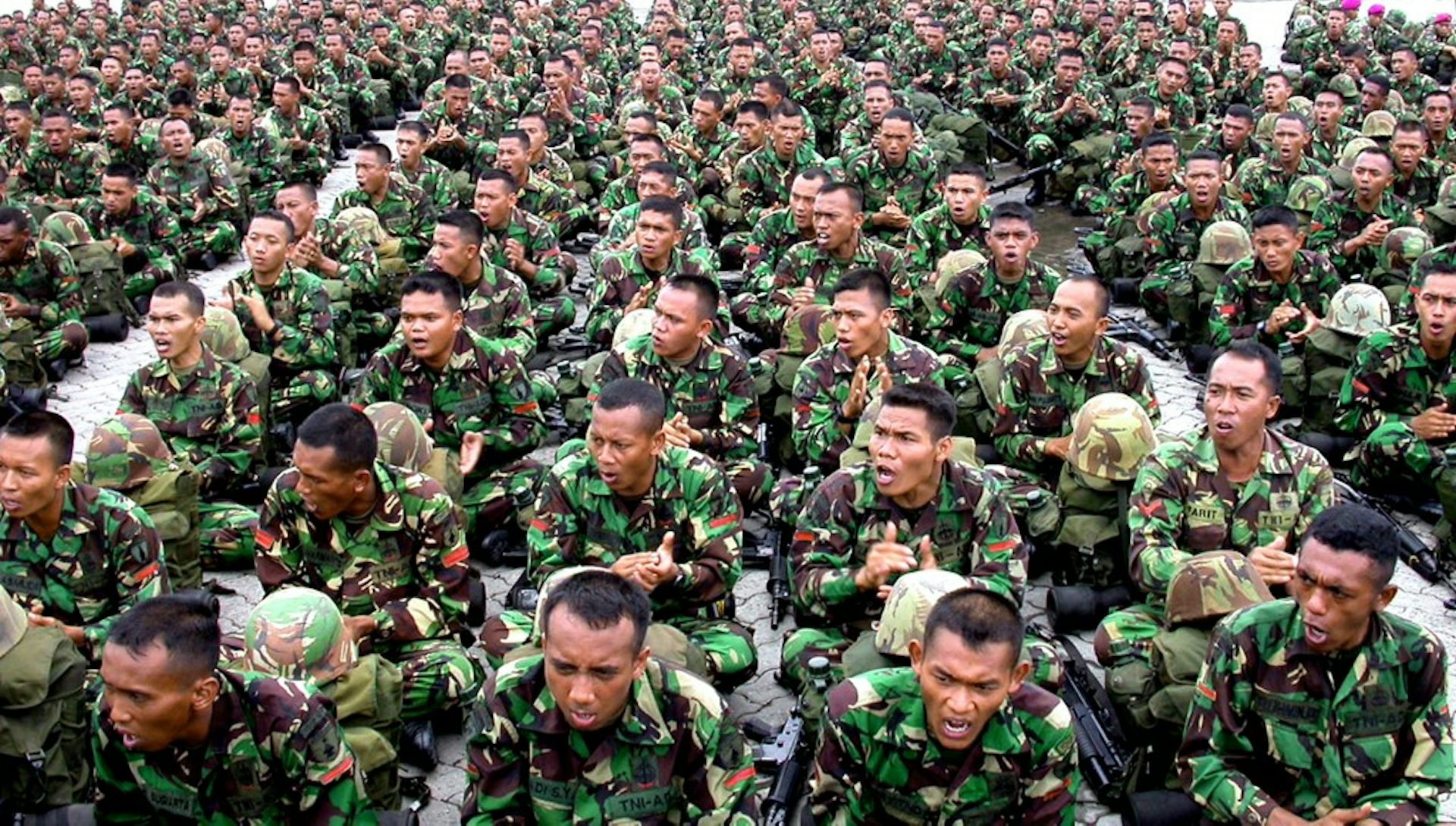
Indonesian soldiers attend a send-off ceremony at the port of Krueng Geukeuh in North Aceh district in October 2005, prior to a pull out from the tsunami-hit province as part of a peace deal with the Free Aceh Movement (GAM) rebels to end more than 30 years of separatist conflict. Simon Koh/AFPIn the days immediately following the tsunami, the Indonesian army escalated its attacks on the rebel group in Aceh.Â
By its own account, it killed more than 220 people.

 Newspaper from Ukraine




 Facebook
 Instagram
 Discord
 Reddit