Architecture (LatinÂ
architectura, from the GreekÂ
á¼€ÏχιτÎκτωνÂ
arkhitekton architect, fromÂ
á¼€Ïχι- chief andÂ
Ï„Îκτων creator) is both the process and the product ofÂ
planning,Â
designing, andÂ
constructingÂ
buildings or otherÂ
structures.
 Architectural works, in the material form ofÂ
buildings, are often perceived as cultural symbols and asÂ
works of art. Historical civilizations are often identified with their surviving architectural achievements.
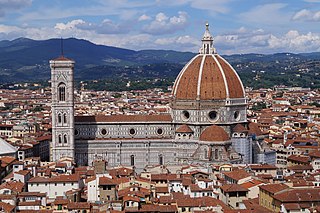 Brunelleschi
, in the building of the dome ofÂ
Florence Cathedral (Italy) in the early 15th century, not only transformed the building and the city, but also the role and status of theÂ
architect.
 Plan
 of the second floor (attic storey) of the Hôtel de Brionne in Paris – 1734.The practice, which began in theÂ
prehistoric era, has been used as a way of expressingÂ
culture for civilizations on all sevenÂ
continents.
 For this reason, architecture is considered to be a form ofÂ
art. Texts on architecture have been written since ancient time. The earliest surviving text onÂ
architectural theory is the 1st century AD treatiseÂ
De architectura by the Roman architectÂ
Vitruvius, according to whom a good building embodiesÂ
firmitas, utilitas, andÂ
venustas (durability, utility, and beauty). Centuries later,Â
Leon Battista Alberti developed his ideas further, seeing beauty as an objective quality of buildings to be found in their proportions.Â
Giorgio Vasari wroteÂ
Lives of the Most Excellent Painters, Sculptors, and Architects and put forward the idea of style in the arts in the 16th century. In the 19th century,Â
Louis Sullivan declared that
form follows function. Function began to replace the l utility and was understood to include not only practical but also aesthetic, psychological and cultural dimensions. The idea ofÂ
sustainable architecture was introduced in the late 20th century.Architecture began as rural, oralÂ
vernacular architecture that developed from trial and error to successful replication. Ancient urban architecture was preoccupied with building religious structures and buildings symbolizing the political power of rulers until Greek and Roman architecture shifted focus to civic virtues.Â
Indian andÂ
Chinese architecture influenced forms all over Asia andÂ
Buddhist architecture in particular took diverse local flavors. During theÂ
European Middle Ages, pan-European styles ofÂ
Romanesque andÂ
Gothic cathedrals and abbeys emerged while theÂ
Renaissance favored Classical forms implemented byÂ
architects known by name. Later, the roles of architects andÂ
engineers became separated.Â
Modern architecture began afterÂ
World War IÂ as anÂ
avant-garde movement that sought to develop a completely new style appropriate for a new post-war social and economic order focused on meeting the needs of the middle and working classes. Emphasis was put on modern techniques, materials, and simplified geometric forms, paving the way for high-rise superstructures. Many architects became disillusioned with modernism which they perceived as ahistorical and anti-aesthetic, andÂ
postmodern andÂ
contemporary architecture developed.Over the years, the field of architectural construction has branched out to include everything from ship design to interior decorating

 Newspaper from Colombia
 - Social interactions and entertainment - 1 - 08 Apr 21 21:31



 Facebook
 Instagram
 Discord
 Reddit