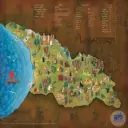
1989 წლის 9 áƒáƒžáƒ ილი(April 9, 1989) | Tweet
Published in Georgia  - First steps in eDominations - 3 - 08 Apr 21 22:27
9 áƒáƒžáƒ ილი სáƒáƒ¥áƒáƒ თველáƒáƒ¡ ისტáƒáƒ იáƒáƒ¨áƒ˜ áƒáƒ მნიშვნელáƒáƒ•áƒáƒœ მáƒáƒ•áƒšáƒ”ნáƒáƒ¡ áƒáƒ”რთიáƒáƒœáƒ”ბს - 1989 წლის ტრáƒáƒ’ედიáƒáƒ¡áƒ დრდáƒáƒ›áƒáƒ£áƒ™áƒ˜áƒ“ებლáƒáƒ‘ის áƒáƒ¦áƒ“გენáƒáƒ¡ 1991 წელს. რუსული ჯáƒáƒ ის მიერთბილისში 21 áƒáƒ“áƒáƒ›áƒ˜áƒáƒœáƒ˜áƒ¡ მáƒáƒ™áƒ•áƒšáƒáƒ› სáƒáƒ§áƒáƒ•áƒ”ლთáƒáƒ დáƒáƒ£áƒ›áƒáƒ ჩილებლáƒáƒ‘რგáƒáƒ›áƒáƒ˜áƒ¬áƒ•áƒ˜áƒ, რáƒáƒª სáƒáƒ‘áƒáƒšáƒáƒáƒ“, სáƒáƒ¥áƒáƒ თველáƒáƒ¡ დáƒáƒ›áƒáƒ£áƒ™áƒ˜áƒ“ებლáƒáƒ‘ის áƒáƒ¦áƒ“გენით დáƒáƒ¡áƒ ულდáƒ.მáƒáƒ•áƒšáƒ”ნები, რáƒáƒ›áƒ”ლიც წინ უძღáƒáƒ“რ9 áƒáƒžáƒ ილის ტრáƒáƒ’ედიáƒáƒ¡9 áƒáƒžáƒ ილის ტრáƒáƒ’ედიáƒáƒ›áƒ“ე 3 კვირით áƒáƒ“რე áƒáƒ¤áƒ®áƒáƒ–ეთში ე.წ. ლიხნის áƒáƒ¡áƒáƒ›áƒ‘ლერჩáƒáƒ¢áƒáƒ დáƒ, რáƒáƒ›áƒ”ლზეც სáƒáƒ¥áƒáƒ თველáƒáƒ¡ áƒáƒ¤áƒ®áƒáƒ–ი მáƒáƒ¡áƒáƒ®áƒšáƒ”áƒáƒ‘ის ნáƒáƒ¬áƒ˜áƒšáƒ›áƒ სáƒáƒ¥áƒáƒ თველáƒáƒ¡áƒ’áƒáƒœ გáƒáƒ›áƒáƒ§áƒáƒ¤áƒ დრრესპუბლიკის სტáƒáƒ¢áƒ£áƒ¡áƒ˜ მáƒáƒ˜áƒ—ხáƒáƒ•áƒ.áƒáƒ›áƒ”რიკის შეერთებული შტáƒáƒ¢áƒ”ბის სáƒáƒáƒ ქივრდáƒáƒ™áƒ£áƒ›áƒ”ნტებში, რáƒáƒ›áƒšáƒ”ბიც ინფáƒáƒ მáƒáƒªáƒ˜áƒ˜áƒ¡ თáƒáƒ•áƒ˜áƒ¡áƒ£áƒ¤áƒšáƒ”ბის გáƒáƒœáƒ•áƒ˜áƒ—áƒáƒ ების ინსტიტუტმრ(IDFI) გáƒáƒ›áƒáƒ˜áƒ—ხáƒáƒ•áƒ, წერიáƒ, რáƒáƒ› 1989 წლის 15 მáƒáƒ ტს áƒáƒ¤áƒ®áƒáƒ–ეთის კáƒáƒ›áƒ£áƒœáƒ˜áƒ¡áƒ¢áƒ£áƒ ი პáƒáƒ ტიის თáƒáƒ•áƒ›áƒ¯áƒ“áƒáƒ›áƒáƒ ემ ბáƒáƒ ის áƒáƒ“ლეიბáƒáƒ› ხელი მáƒáƒáƒ¬áƒ”რრპეტიციáƒáƒ¡ სáƒáƒ‘áƒáƒáƒ—რკáƒáƒ•áƒ¨áƒ˜áƒ ისრდრსáƒáƒ¥áƒáƒ თველáƒáƒ¡ უმáƒáƒ¦áƒšáƒ”სი სáƒáƒ‘áƒáƒáƒ¡ სáƒáƒ®áƒ”ლზე, რáƒáƒ›áƒ”ლიც áƒáƒ¤áƒ®áƒáƒ–ეთისთვის სáƒáƒ™áƒáƒ•áƒ¨áƒ˜áƒ რრესპუბლიკის სტáƒáƒ¢áƒ£áƒ¡áƒ˜áƒ¡ მინიáƒáƒ”ბáƒáƒ¡, áƒáƒœ მáƒáƒ¡áƒ™áƒáƒ•áƒ˜áƒ¡ პირდáƒáƒžáƒ˜áƒ დáƒáƒ¥áƒ•áƒ”მდებáƒáƒ ებáƒáƒ¨áƒ˜ გáƒáƒ“áƒáƒ¡áƒ•áƒšáƒáƒ¡ მáƒáƒ˜áƒ—ხáƒáƒ•áƒ“áƒ.áƒáƒ¤áƒ®áƒáƒ–ეთში სეპáƒáƒ áƒáƒ¢áƒ˜áƒ¡áƒ¢áƒ£áƒšáƒ˜ გáƒáƒœáƒ¬áƒ§áƒáƒ‘ების გáƒáƒ«áƒšáƒ˜áƒ”რების პáƒáƒ áƒáƒšáƒ”ლურáƒáƒ“, სეპáƒáƒ áƒáƒ¢áƒ˜áƒ–მისრდრმáƒáƒ¡áƒ™áƒáƒ•áƒ˜áƒ¡ áƒáƒœáƒ¢áƒ˜áƒ¥áƒáƒ თული პáƒáƒšáƒ˜áƒ¢áƒ˜áƒ™áƒ˜áƒ¡ წინáƒáƒáƒ¦áƒ›áƒ“ეგ მშვიდáƒáƒ‘იáƒáƒœáƒ˜ áƒáƒ¥áƒªáƒ˜áƒ”ბი დáƒáƒ˜áƒ¬áƒ§áƒ. 4 áƒáƒžáƒ ილს, მთáƒáƒ•áƒ áƒáƒ‘ის სáƒáƒ®áƒšáƒ˜áƒ¡ წინ áƒáƒ—იáƒáƒ—áƒáƒ¡áƒáƒ‘ით áƒáƒ“áƒáƒ›áƒ˜áƒáƒœáƒ˜ შეიკრიბáƒ, მáƒáƒ— დáƒáƒ˜áƒ¬áƒ§áƒ”ს შიმშილáƒáƒ‘áƒ, მეáƒáƒ ე დღეს მáƒáƒ—ი რáƒáƒáƒ“ენáƒáƒ‘რუფრრგáƒáƒ˜áƒ–áƒáƒ დáƒ.5 áƒáƒžáƒ ილს თბილისი პáƒáƒ áƒáƒšáƒ˜áƒ–ებული იყáƒ. გáƒáƒ˜áƒ¤áƒ˜áƒªáƒœáƒ”ნ მუშები, დáƒáƒ˜áƒ®áƒ£áƒ რსáƒáƒ¡áƒ¬áƒáƒ•áƒšáƒ დáƒáƒ¬áƒ”სებულებები. ქáƒáƒ თულ მედიáƒáƒ¡ იმ დღეს მიმდინáƒáƒ ე áƒáƒ¥áƒªáƒ˜áƒ”ბი áƒáƒ გáƒáƒ£áƒ¨áƒ£áƒ¥áƒ”ბიáƒ. áƒáƒ“გილáƒáƒ‘რივმრსáƒáƒ‘áƒáƒáƒ—რხელისუფლებáƒáƒ› სიტუáƒáƒªáƒ˜áƒáƒ–ე კáƒáƒœáƒ¢áƒ áƒáƒšáƒ˜ დáƒáƒ™áƒáƒ გáƒ.áƒáƒ¨áƒ¨-ს სáƒáƒ®áƒ”ლმწიფრáƒáƒ ქივის ერთ-ერთი დáƒáƒ™áƒ£áƒ›áƒ”ნტის (1989 წლის 7 áƒáƒžáƒ ილი) მიხედვით, 6 áƒáƒžáƒ ილს სáƒáƒáƒšáƒ¥áƒ კáƒáƒ›áƒ˜áƒ¢áƒ”ტმრთáƒáƒœáƒáƒ›áƒ“ებáƒáƒ‘იდáƒáƒœ გáƒáƒ“áƒáƒáƒ§áƒ”ნრáƒáƒ¤áƒ®áƒáƒ–ეთის პირველი მდივáƒáƒœáƒ˜ áƒáƒ“ლეიბáƒ, áƒáƒ¤áƒ®áƒáƒ–ეთისთვის დáƒáƒ›áƒáƒ£áƒ™áƒ˜áƒ“ებლáƒáƒ‘ის მინიáƒáƒ”ბის მáƒáƒ—ხáƒáƒ•áƒœáƒ˜áƒ¡ გáƒáƒ›áƒ, რáƒáƒ¡áƒáƒª 7 áƒáƒžáƒ ილს áƒáƒ¤áƒ®áƒáƒ–ეთში მისი მხáƒáƒ დáƒáƒ›áƒáƒ”რი áƒáƒ¥áƒªáƒ˜áƒ მáƒáƒ°áƒ§áƒ•áƒ. áƒáƒ¦áƒœáƒ˜áƒ¨áƒœáƒ£áƒš დáƒáƒ™áƒ£áƒ›áƒ”ნტში სáƒáƒ£áƒ‘áƒáƒ ირდემáƒáƒœáƒ¡áƒ¢áƒ áƒáƒªáƒ˜áƒ˜áƒ¡ ქáƒáƒ თველ ლიდერებს შáƒáƒ ის შეუთáƒáƒœáƒ®áƒ›áƒ”ბლáƒáƒ‘áƒáƒ–ე. მáƒáƒ«áƒ áƒáƒáƒ‘რ„ილირáƒáƒáƒ•áƒáƒáƒ•áƒáƒ«áƒ˜áƒ¡ სáƒáƒ–áƒáƒ’áƒáƒ“áƒáƒ”ბáƒâ€œ დრ„რუსთáƒáƒ•áƒ”ლის სáƒáƒ–áƒáƒ’áƒáƒ“áƒáƒ”ბის“ ლიდერები მიიჩნევდნენ, რáƒáƒ› áƒáƒ¥áƒªáƒ˜áƒ˜áƒ¡ დრáƒáƒ¡ პრáƒáƒ¢áƒ”სტის მთáƒáƒ•áƒáƒ ი თემრუნდრყáƒáƒ¤áƒ˜áƒšáƒ˜áƒ§áƒ áƒáƒ¤áƒ®áƒáƒ–ეთის სáƒáƒ™áƒ˜áƒ—ხი, ხáƒáƒšáƒ ერáƒáƒ•áƒœáƒ£áƒš-დემáƒáƒ™áƒ áƒáƒ¢áƒ˜áƒ£áƒšáƒ˜ პáƒáƒ ტიისრდრერáƒáƒ•áƒœáƒ£áƒšáƒ˜ დáƒáƒ›áƒáƒ£áƒ™áƒ˜áƒ“ებლáƒáƒ‘ის პáƒáƒ ტიის წáƒáƒ მáƒáƒ›áƒáƒ“გენლები მáƒáƒ˜áƒ—ხáƒáƒ•áƒ“ნენ, რáƒáƒ› კáƒáƒœáƒªáƒ”ნტრირებრმáƒáƒ›áƒ®áƒ“áƒáƒ იყრერთ, სáƒáƒ¥áƒáƒ თველáƒáƒ¡ სსრკ-დáƒáƒœ გáƒáƒ›áƒáƒ¡áƒ•áƒšáƒ˜áƒ¡, მáƒáƒ—ხáƒáƒ•áƒœáƒáƒ–ე. 1989 წლის áƒáƒžáƒ ილის დემáƒáƒœáƒ¡áƒ¢áƒ áƒáƒªáƒ˜áƒ”ბი 9 áƒáƒžáƒ ილის სáƒáƒ“áƒáƒ›áƒ¡áƒ¯áƒ”ლრáƒáƒžáƒ”რáƒáƒªáƒ˜áƒ7 áƒáƒžáƒ ილს სáƒáƒ¥áƒáƒ თველáƒáƒ¡ კáƒáƒ›áƒžáƒáƒ ტიის პირველმრმდივáƒáƒœáƒ›áƒ ჯუმბერპáƒáƒ¢áƒ˜áƒáƒ¨áƒ•áƒ˜áƒšáƒ›áƒ მáƒáƒ¡áƒ™áƒáƒ•áƒ¨áƒ˜, სáƒáƒ‘áƒáƒáƒ—რხელმძღვáƒáƒœáƒ”ლáƒáƒ‘áƒáƒ¡ წესრიგის áƒáƒ¦áƒ¡áƒáƒ“გენáƒáƒ“ დáƒáƒ›áƒ®áƒ›áƒáƒ ე ძáƒáƒšáƒ”ბის გáƒáƒ›áƒáƒ’ზáƒáƒ•áƒœáƒ სთხáƒáƒ•áƒ. იმáƒáƒ•áƒ” დღეს პერმიდáƒáƒœ დრვáƒáƒ áƒáƒœáƒ”ჟიდáƒáƒœ თბილისში შემáƒáƒ•áƒ˜áƒ“ნენ სáƒáƒ’áƒáƒœáƒ’ებრდáƒáƒœáƒ˜áƒ¨áƒœáƒ£áƒšáƒ”ბის მილიციის რáƒáƒ–მები. 8 áƒáƒžáƒ ილს, áƒáƒ¨áƒ¨-ს სáƒáƒ˜áƒ“უმლრსáƒáƒ›áƒ¡áƒáƒ®áƒ£áƒ ების სáƒáƒ®áƒ”ლზე გáƒáƒ’ზáƒáƒ•áƒœáƒ˜áƒš დáƒáƒ¨áƒ˜áƒ¤áƒ ულ ცნáƒáƒ‘áƒáƒ¨áƒ˜ წერიáƒ, რáƒáƒ› სáƒáƒ¥áƒáƒ თველáƒáƒ¨áƒ˜ áƒáƒ სებáƒáƒ‘ს ეთნიკური კáƒáƒœáƒ¤áƒšáƒ˜áƒ¥áƒ¢áƒ˜áƒ¡ სáƒáƒ¤áƒ თხე. დáƒáƒ™áƒ£áƒ›áƒ”ნტში პáƒáƒ áƒáƒšáƒ”ლირგáƒáƒ•áƒšáƒ”ბული მთიáƒáƒœáƒ˜ ყáƒáƒ áƒáƒ‘áƒáƒ¦áƒ˜áƒ¡ გáƒáƒ შემრდáƒáƒ¬áƒ§áƒ”ბულ სáƒáƒ›áƒ®áƒ”თ-áƒáƒ–ერბáƒáƒ˜áƒ¯áƒáƒœáƒ˜áƒ¡ კáƒáƒœáƒ¤áƒšáƒ˜áƒ¥áƒ¢áƒ—áƒáƒœ.9 áƒáƒžáƒ ილს, 11 სáƒáƒáƒ—ზე, თბილისში კáƒáƒ›áƒ”ნდáƒáƒœáƒ¢áƒ˜áƒ¡ სáƒáƒáƒ—ი გáƒáƒ›áƒáƒªáƒ®áƒáƒ“დáƒ. áƒáƒ›áƒ˜áƒ¡ შესáƒáƒ®áƒ”ბ ცნáƒáƒ‘რმáƒáƒ¡áƒáƒ®áƒšáƒ”áƒáƒ‘áƒáƒ› 22 სáƒáƒáƒ—სრდრ15 წუთზე მიიღáƒ. ქáƒáƒšáƒáƒ¥áƒ˜áƒ¡ სáƒáƒ›áƒ®áƒ”დრრკáƒáƒ›áƒ”ნდáƒáƒœáƒ¢áƒáƒ“ დáƒáƒ˜áƒœáƒ˜áƒ¨áƒœáƒ სáƒáƒ‘áƒáƒáƒ—რáƒáƒ მიის გენერáƒáƒšáƒ˜ იგáƒáƒ რáƒáƒ“იáƒáƒœáƒáƒ•áƒ˜. სწáƒáƒ ედ ის იყრ9 áƒáƒžáƒ ილის სáƒáƒ“áƒáƒ›áƒ¡áƒ¯áƒ”ლრáƒáƒžáƒ”რáƒáƒªáƒ˜áƒ˜áƒ¡ ხელმძღვáƒáƒœáƒ”ლი.9 áƒáƒžáƒ ილს, გáƒáƒ›áƒ—ენიისáƒáƒ¡, რუსულმრáƒáƒ მიáƒáƒ› რუსთáƒáƒ•áƒ”ლის გáƒáƒ›áƒ–ირზე შეკრებილი მშვიდáƒáƒ‘იáƒáƒœáƒ˜ დემáƒáƒœáƒ¡áƒ¢áƒ áƒáƒœáƒ¢áƒ˜áƒ¡ დáƒáƒ¨áƒšáƒ დáƒáƒ˜áƒ¬áƒ§áƒ. áƒáƒ¥áƒªáƒ˜áƒ˜áƒ¡ დáƒáƒ ბევისáƒáƒ¡ სáƒáƒ‘áƒáƒáƒ—რჯáƒáƒ მრგáƒáƒ›áƒáƒ˜áƒ§áƒ”ნრმáƒáƒ›áƒ¬áƒáƒ›áƒ•áƒšáƒáƒ•áƒ˜ ქიმიური სáƒáƒ¨áƒ£áƒáƒšáƒ”ბები, ცეცხლსáƒáƒ¡áƒ áƒáƒšáƒ˜ იáƒáƒ áƒáƒ¦áƒ˜, სáƒáƒ¡áƒáƒœáƒ’რე ბáƒáƒ ები, ჯáƒáƒ•áƒ¨áƒáƒœáƒ¢áƒ áƒáƒœáƒ¡áƒžáƒáƒ ტიáƒáƒ ები დრტáƒáƒœáƒ™áƒ”ბი. იმ ღáƒáƒ›áƒ˜áƒ¡ დáƒáƒ ბევáƒáƒ¡ 20 áƒáƒ“áƒáƒ›áƒ˜áƒáƒœáƒ˜ ემსხვერპლáƒ, ხáƒáƒšáƒ ერთი მáƒáƒ¥áƒáƒšáƒáƒ¥áƒ” კáƒáƒ›áƒ”ნდáƒáƒœáƒ¢áƒ˜áƒ¡ სáƒáƒáƒ—ის დრáƒáƒ¡ მáƒáƒ™áƒšáƒ”ს რუსმრჯáƒáƒ ისკáƒáƒªáƒ”ბმáƒ.áƒáƒ› დღეს áƒáƒ¡áƒáƒ‘ით áƒáƒ“áƒáƒ›áƒ˜áƒáƒœáƒ˜ დáƒáƒ¡áƒáƒ®áƒ˜áƒ©áƒ დáƒ, დემáƒáƒœáƒ¡áƒ¢áƒ áƒáƒœáƒ¢áƒ”ბის დიდი ნáƒáƒ¬áƒ˜áƒšáƒ˜ მáƒáƒ˜áƒ¬áƒáƒ›áƒšáƒ. უცნáƒáƒ‘ირდáƒáƒ–áƒáƒ áƒáƒšáƒ”ბულების ზუსტი რიცხვი დრáƒáƒ¡áƒ”ვე, რრზიáƒáƒœáƒ˜ მიáƒáƒ“გრმáƒáƒ— ჯáƒáƒœáƒ›áƒ თელáƒáƒ‘áƒáƒ¡.
 9 áƒáƒžáƒ ილს დáƒáƒ¦áƒ£áƒžáƒ£áƒšáƒ”ბირáƒáƒ’áƒáƒ იხსენებენ სისხლიáƒáƒœ დáƒáƒ ბევáƒáƒ¡ თვითმხილველებირáƒáƒ›áƒ“ენიმე წლის წინ ბლáƒáƒ’მáƒÂ ბურუსი 9 áƒáƒžáƒ ილის ტრáƒáƒ’ედიის თვითმხილველთრმáƒáƒ’áƒáƒœáƒ”ბები გáƒáƒ›áƒáƒáƒ¥áƒ•áƒ”ყნáƒ.შáƒáƒ—რჟვáƒáƒœáƒ˜áƒ, დáƒáƒ–áƒáƒ áƒáƒšáƒ”ბული: “რუსი ჯáƒáƒ ისკáƒáƒªáƒ”ბი ქáƒáƒšáƒ”ბსრდრბáƒáƒ•áƒ¨áƒ•áƒ”ბს ურტყáƒáƒ›áƒ“ნენ ნიჩბებს თáƒáƒ•áƒ¨áƒ˜, კáƒáƒªáƒ”ბს რáƒáƒ› ვერმáƒáƒ”რივნენ. სისხლის გუბეში ვიდექი დრვერვშველáƒáƒ“ი მáƒáƒ— იმიტáƒáƒ›, რáƒáƒ› áƒáƒ—ხი რუსი ჯáƒáƒ ისკáƒáƒªáƒ˜ ცემით მიმáƒáƒ—რევდრსáƒáƒ“ღáƒáƒª. თáƒáƒ•áƒ˜áƒ¡ დáƒáƒ¦áƒ¬áƒ”ვრმáƒáƒ•áƒáƒ®áƒ”რხე დრáƒáƒ—ხი კილáƒáƒ›áƒ”ტრი ფეხშიშველმრვირბინე სáƒáƒ®áƒšáƒáƒ›áƒ“ე.â€áƒ’ელრáƒáƒ áƒáƒ‘ული, დáƒáƒ–áƒáƒ áƒáƒšáƒ”ბული: “რáƒáƒ“ესáƒáƒª ლენინის მáƒáƒ”დნიდáƒáƒœ (მáƒáƒ¨áƒ˜áƒœáƒ“ელი) ჯáƒáƒ•áƒ¨áƒáƒœ-ტრáƒáƒœáƒ¡áƒžáƒáƒ ტიáƒáƒ ები წáƒáƒ›áƒáƒ•áƒ˜áƒ“ნენ, მთáƒáƒ•áƒ áƒáƒ‘ის სáƒáƒ¡áƒáƒ®áƒšáƒ˜áƒ¡ მáƒáƒ ჯვენრმხáƒáƒ ეს, კიბეზე ვიდექი. ჯáƒáƒ ისკáƒáƒªáƒ”ბი მáƒáƒ“იáƒáƒ“ნენ ფáƒáƒ ებით, ნიჩბებით დრხელკეტებით. ხáƒáƒšáƒ®áƒ˜ წყნáƒáƒ áƒáƒ“ იჯდáƒ, áƒáƒ áƒáƒ•áƒ˜áƒœ áƒáƒ áƒáƒ¤áƒ”რს áƒáƒ¨áƒáƒ•áƒ”ბდáƒ, áƒáƒ áƒáƒ•áƒ˜áƒœ დგებáƒáƒ“áƒ, ხმáƒáƒ¡ áƒáƒ áƒáƒ•áƒ˜áƒ¡ სცემდáƒ. დáƒáƒáƒ®áƒšáƒáƒ”ბით, ხუთი წუთი იდგნენ ჯáƒáƒ ისკáƒáƒªáƒ”ბი. უცბáƒáƒ“ დáƒáƒ˜áƒ¬áƒ§áƒ”ს ხáƒáƒšáƒ®áƒ˜áƒ¡ ცემáƒ. მáƒáƒšáƒ” მáƒáƒ— ჩიტáƒáƒ«áƒ˜áƒ¡ ქუჩიდáƒáƒœ ჩáƒáƒ›áƒáƒ”შველნენ სხვრჯáƒáƒ ისკáƒáƒªáƒ”ბი.სáƒáƒ¡áƒ პáƒáƒ˜áƒáƒáƒ«áƒ”: “ცხრრáƒáƒžáƒ ილს, სისხáƒáƒ› დილით გáƒáƒ•áƒ”დი მთáƒáƒ•áƒ áƒáƒ‘ის სáƒáƒ®áƒšáƒ—áƒáƒœ. შემზáƒáƒ áƒáƒ•áƒ˜ სáƒáƒœáƒáƒ®áƒáƒáƒ‘რგáƒáƒ“áƒáƒ›áƒ”შáƒáƒšáƒ თვáƒáƒšáƒ¬áƒ˜áƒœ: კიბეებზე, ქვáƒáƒ¤áƒ”ნილზე, ქუჩებზე, მáƒáƒ áƒáƒ“მწვáƒáƒœáƒ” ბუჩქებზე, ყველგáƒáƒœ დრყველáƒáƒ¤áƒ”რზე, რáƒáƒ¡áƒáƒª მზერრსწვდებáƒáƒ“áƒ, მიმáƒáƒ¤áƒáƒœáƒ¢áƒ£áƒšáƒ˜áƒ§áƒ ტáƒáƒœáƒ¡áƒáƒªáƒ›áƒšáƒ˜áƒ¡ ნáƒáƒ’ლეჯები, ფეხსáƒáƒªáƒ›áƒ”ლები, ძირითáƒáƒ“áƒáƒ“ ქáƒáƒšáƒ˜áƒ¡, ქუდები, ქáƒáƒ¦áƒáƒšáƒ“ის ნáƒáƒ™áƒ£áƒ¬áƒ”ბი, ერთმáƒáƒœáƒ”თში áƒáƒ ეული, áƒáƒšáƒ£áƒ¤áƒ®áƒ£áƒšáƒ˜ ხელჩáƒáƒœáƒ—ები, ხელჩáƒáƒœáƒ—ებიდáƒáƒœ წáƒáƒ›áƒáƒ§áƒ ილი სáƒáƒ•áƒáƒ ცხლები, პáƒáƒ¢áƒáƒ რსáƒáƒ კეები, ცხვირსáƒáƒ®áƒáƒªáƒ”ბი; თáƒáƒ•áƒ¡áƒáƒ¤áƒ ები, გáƒáƒ–ეთების ნáƒáƒ¤áƒšáƒ”თები, დáƒáƒœáƒáƒ™áƒ£áƒ¬áƒ”ბული ქურთუკები, პáƒáƒ ფიუმერიის ნáƒáƒ›áƒ¡áƒ®áƒ•áƒ ევები, ნáƒáƒ˜áƒ გვáƒáƒœáƒ˜ ფერის ქსáƒáƒ•áƒ˜áƒšáƒ˜áƒ¡ ნáƒáƒ®áƒ”ვები, ბიჟუტერიáƒ. áƒáƒ¡áƒ¤áƒáƒšáƒ¢áƒ–ე ჯერკიდევ ჩáƒáƒœáƒ“რჯáƒáƒ•áƒ¨áƒœáƒ˜áƒáƒœáƒ˜ მáƒáƒœáƒ¥áƒáƒœáƒ”ბის მუხლუხების კვáƒáƒšáƒ˜, ქვáƒáƒ¤áƒ”ნილზე კი შემზáƒáƒ áƒáƒ•áƒáƒ“ მბზინáƒáƒ•áƒ˜ სისხლის ლáƒáƒ¥áƒ”ბიâ€.
 რუსთáƒáƒ•áƒ”ლი, პáƒáƒ ლáƒáƒ›áƒ”ნტის შენáƒáƒ‘ის მიმდებáƒáƒ ე ტერიტáƒáƒ იáƒ. 12 áƒáƒžáƒ ილი, 1989დáƒáƒ›áƒáƒ£áƒ™áƒ˜áƒ“ებლáƒáƒ‘ის áƒáƒ¦áƒ“გენáƒ1989 წლის 9 áƒáƒžáƒ ილის ტრáƒáƒ’ედიის შემდეგ, დáƒáƒ›áƒáƒ£áƒ™áƒ˜áƒ“ებლáƒáƒ‘ის áƒáƒ¦áƒ“გენáƒáƒ› შეუქცევáƒáƒ“ი პრáƒáƒªáƒ”სის სáƒáƒ®áƒ” მიიღáƒ. 1991 წლის 31 მáƒáƒ ტს, სáƒáƒ¥áƒáƒ თველáƒáƒ¡ პრეზიდენტმრზვიáƒáƒ“ გáƒáƒ›áƒ¡áƒáƒ®áƒ£áƒ დიáƒáƒ›, ერთიáƒáƒœáƒ˜ სáƒáƒ¥áƒáƒ თველáƒáƒ¡ მáƒáƒ¡áƒ¨áƒ¢áƒáƒ‘ით ჩáƒáƒáƒ¢áƒáƒ რრეფერენდუმი, სáƒáƒ“რსáƒáƒ¥áƒáƒ თველáƒáƒ¡ მáƒáƒ¡áƒáƒ®áƒšáƒ”áƒáƒ‘áƒáƒ¡ ერთáƒáƒ“ერთი კითხვრდáƒáƒ£áƒ¡áƒ•áƒ”ს: „თáƒáƒœáƒáƒ®áƒ›áƒ ხáƒáƒ თ თუ áƒáƒ áƒ, áƒáƒ¦áƒ“გეს სáƒáƒ¥áƒáƒ თველáƒáƒ¡ სáƒáƒ®áƒ”ლმწიფáƒáƒ”ბრიáƒáƒ‘რ1918 წლის 26 მáƒáƒ˜áƒ¡áƒ˜áƒ¡ დáƒáƒ›áƒáƒ£áƒ™áƒ˜áƒ“ებლáƒáƒ‘ის დეკლáƒáƒ áƒáƒªáƒ˜áƒ˜áƒ¡ შესáƒáƒ‘áƒáƒ›áƒ˜áƒ¡áƒáƒ“?â€áƒ ეფერენდუმში ქáƒáƒ თველი áƒáƒ›áƒáƒ›áƒ ჩევლის 90%-მრმიიღრმáƒáƒœáƒáƒ¬áƒ˜áƒšáƒ”áƒáƒ‘áƒ, მáƒáƒ—გáƒáƒœ 98%-მრდáƒáƒ›áƒáƒ£áƒ™áƒ˜áƒ“ებლáƒáƒ‘რáƒáƒ˜áƒ ჩიáƒ. მნიშვნელáƒáƒ•áƒáƒœáƒ˜áƒ ისიც, რáƒáƒ› გáƒáƒ›áƒáƒ™áƒ˜áƒ—ხვáƒáƒ¨áƒ˜ მáƒáƒœáƒáƒ¬áƒ˜áƒšáƒ”áƒáƒ‘დნენ ჯერკიდევ სáƒáƒ¥áƒáƒ თველáƒáƒ¡ კáƒáƒœáƒ¢áƒ áƒáƒšáƒ˜áƒ¡ ქვეშ მყáƒáƒ¤áƒ˜ áƒáƒ¤áƒ®áƒáƒ–ეთისრდრსáƒáƒ›áƒ®áƒ ეთ áƒáƒ¡áƒ”თის მცხáƒáƒ•áƒ ებნი.1991 წლის 9 áƒáƒžáƒ ილს, 2 წლის შემდეგ, რუსეთის áƒáƒ მიის მიერმáƒáƒ™áƒšáƒ£áƒšáƒ—რპáƒáƒ¢áƒ˜áƒ•áƒ¡áƒáƒªáƒ”მáƒáƒ“, სáƒáƒ¥áƒáƒ თველáƒáƒ¡ პრეზიდენტმრზვიáƒáƒ“ გáƒáƒ›áƒ¡áƒáƒ®áƒ£áƒ დიáƒáƒ› ერთიáƒáƒœáƒ˜ სáƒáƒ¥áƒáƒ თველáƒáƒ¡ დáƒáƒ›áƒáƒ£áƒ™áƒ˜áƒ“ებლáƒáƒ‘რგáƒáƒ›áƒáƒáƒªáƒ®áƒáƒ“áƒ.April 9 combines two important events in the history of Georgia - the tragedy of 1989 and the restoration of independence in 1991. The killing of 21 people by Russian troops in Tbilisi sparked widespread disobedience, culminating in the restoration of Georgias independence. The events that preceded the April 9 tragedy Three weeks before the April 9 tragedy, the so-called The Likhni Assembly was held, at which a part of the Abkhazian population of Georgia demanded the secession of Georgia and the status of a republic. Archive documents requested by the Institute for Development of Freedom of Information (IDFI) state that on March 15, 1989, Boris Adleiba, Chairman of the Communist Party of Abkhazia, signed a petition on behalf of the Soviet Union and the Supreme Soviet of Georgia granting Abkhazia the status of a Union Republic. Demanded a transition to subordination. In parallel with the strengthening of separatist sentiments in Abkhazia, peaceful rallies against separatism and Moscows anti-Georgian policy began. On April 4, tens of thousands of people gathered in front of the Government House, they started a hunger strike, the next day their number increased even more. On April 5, Tbilisi was paralyzed. Workers went on strike, educational institutions were closed. Georgian media did not cover the rallies that day. Local Soviet authorities lost control of the situation. According to a document from the US State Archives (April 7, 1989), on April 6, the district committee fired Adleiba, the first secretary of Abkhazia, for demanding independence for Abkhazia, which was followed by a rally in support of him on April 7. The document discusses the disagreement between the Georgian leaders of the demonstration. Leaders of the Ilia Chavchavadze Society and the Rustaveli Society believed that the issue of Abkhazia should be the main topic of protest during the rally, while representatives of the National Democratic Party and the National Independence Party demanded that one demand concentration on Georgias withdrawal from the USSR. April 1989 Demonstrations  April 9 punitive operation On April 7, the first secretary of the Georgian Communist Party, Jumber Patiashvili, asked the Soviet leadership in Moscow to send reinforcements to restore order. On the same day, special militia units arrived in Tbilisi from Perm and Voronezh. On April 8, an encrypted message sent to the US Secret Service stated that there was a threat of ethnic conflict in Georgia. The document parallels the Armenian-Azerbaijani conflict over Nagorno-Karabakh. On April 9, at 11 oclock, the curfew was announced in Tbilisi. The population received the notice at 22 hours and 15 minutes. Soviet Army General Igor Rodionov was appointed military commander of the city. He was the head of the April 9 punitive operation. At dawn on April 9, the Russian army began dispersing a peaceful demonstrator gathered on Rustaveli Avenue. Soviet troops used poisonous chemicals, firearms, demolition bars, armored personnel carriers and tanks to disperse the protest. A raid that night killed 20 people, and one civilian was killed by Russian soldiers during curfew. Hundreds of people were maimed on this day, most of the protesters were poisoned. The exact number of victims is unknown and also what damage was done to their health. Killed on April 9th  How eyewitnesses remember the bloody raid A few years ago the blog published eyewitness memoirs of the April 9 tragedy. Shota Zhvania, victim: “Russian soldiers were hitting women and children with shovels in the head so that they could not avoid the men. I was standing in a pool of blood and could not help them because four Russian soldiers were beating me somewhere. I managed to escape and ran four kilometers barefoot to my house.  Gela Arabuli, victim: “When the (then) armored personnel carriers left Lenin Square, I was standing on the stairs on the right side of the Government Palace. Soldiers came with shields, shovels and batons. People were sitting quietly, no one was doing anything wrong, no one was getting up, no one was voting. The soldiers stood for about five minutes. Suddenly they started beating people. Soon other soldiers came down from Chitadze Street. Soso Paichadze: “On April 9, in the morning, I went to the Government House. A horrible sight flashed before my eyes: on the stairs, on the cobblestones, on the streets, on the evergreen shrubs, everywhere and everything that could be seen, scattered clothes, shoes, mostly women, hats, scraps of paper, messed up, small handkerchiefs, small handkerchiefs ; Headscarves, newspaper clippings, torn jackets, perfume scraps, half-colored fabric halves, bijouterie. Traces of armored vehicles could still be seen on the asphalt, and horribly shiny blood stains on the pavement. Rustaveli, adjacent to the Parliament building. April 12, 1989  Restoration of independence After the tragedy of April 9, 1989, the restoration of independence took the form of an irreversible process. On March 31, 1991, the President of Georgia, Zviad Gamsakhurdia, held a referendum throughout Georgia to ask the people of Georgia the only question: Do you agree with the restoration of Georgian statehood in accordance with the Declaration of Independence of May 26, 1918? 90% of Georgian voters took part in the referendum, 98% of them chose independence. It is also important to note that residents of Abkhazia and South Ossetia, still under Georgian control, took part in the survey. On April 9, 1991, two years later, in honor of those killed by the Russian army, Georgian President Zviad Gamsakhurdia declared the independence of a united Georgia.Â
1989 წლის áƒáƒžáƒ ილის დემáƒáƒœáƒ¡áƒ¢áƒ áƒáƒªáƒ˜áƒ”ბი 9 áƒáƒžáƒ ილის სáƒáƒ“áƒáƒ›áƒ¡áƒ¯áƒ”ლრáƒáƒžáƒ”რáƒáƒªáƒ˜áƒ7 áƒáƒžáƒ ილს სáƒáƒ¥áƒáƒ თველáƒáƒ¡ კáƒáƒ›áƒžáƒáƒ ტიის პირველმრმდივáƒáƒœáƒ›áƒ ჯუმბერპáƒáƒ¢áƒ˜áƒáƒ¨áƒ•áƒ˜áƒšáƒ›áƒ მáƒáƒ¡áƒ™áƒáƒ•áƒ¨áƒ˜, სáƒáƒ‘áƒáƒáƒ—რხელმძღვáƒáƒœáƒ”ლáƒáƒ‘áƒáƒ¡ წესრიგის áƒáƒ¦áƒ¡áƒáƒ“გენáƒáƒ“ დáƒáƒ›áƒ®áƒ›áƒáƒ ე ძáƒáƒšáƒ”ბის გáƒáƒ›áƒáƒ’ზáƒáƒ•áƒœáƒ სთხáƒáƒ•áƒ. იმáƒáƒ•áƒ” დღეს პერმიდáƒáƒœ დრვáƒáƒ áƒáƒœáƒ”ჟიდáƒáƒœ თბილისში შემáƒáƒ•áƒ˜áƒ“ნენ სáƒáƒ’áƒáƒœáƒ’ებრდáƒáƒœáƒ˜áƒ¨áƒœáƒ£áƒšáƒ”ბის მილიციის რáƒáƒ–მები. 8 áƒáƒžáƒ ილს, áƒáƒ¨áƒ¨-ს სáƒáƒ˜áƒ“უმლრსáƒáƒ›áƒ¡áƒáƒ®áƒ£áƒ ების სáƒáƒ®áƒ”ლზე გáƒáƒ’ზáƒáƒ•áƒœáƒ˜áƒš დáƒáƒ¨áƒ˜áƒ¤áƒ ულ ცნáƒáƒ‘áƒáƒ¨áƒ˜ წერიáƒ, რáƒáƒ› სáƒáƒ¥áƒáƒ თველáƒáƒ¨áƒ˜ áƒáƒ სებáƒáƒ‘ს ეთნიკური კáƒáƒœáƒ¤áƒšáƒ˜áƒ¥áƒ¢áƒ˜áƒ¡ სáƒáƒ¤áƒ თხე. დáƒáƒ™áƒ£áƒ›áƒ”ნტში პáƒáƒ áƒáƒšáƒ”ლირგáƒáƒ•áƒšáƒ”ბული მთიáƒáƒœáƒ˜ ყáƒáƒ áƒáƒ‘áƒáƒ¦áƒ˜áƒ¡ გáƒáƒ შემრდáƒáƒ¬áƒ§áƒ”ბულ სáƒáƒ›áƒ®áƒ”თ-áƒáƒ–ერბáƒáƒ˜áƒ¯áƒáƒœáƒ˜áƒ¡ კáƒáƒœáƒ¤áƒšáƒ˜áƒ¥áƒ¢áƒ—áƒáƒœ.9 áƒáƒžáƒ ილს, 11 სáƒáƒáƒ—ზე, თბილისში კáƒáƒ›áƒ”ნდáƒáƒœáƒ¢áƒ˜áƒ¡ სáƒáƒáƒ—ი გáƒáƒ›áƒáƒªáƒ®áƒáƒ“დáƒ. áƒáƒ›áƒ˜áƒ¡ შესáƒáƒ®áƒ”ბ ცნáƒáƒ‘რმáƒáƒ¡áƒáƒ®áƒšáƒ”áƒáƒ‘áƒáƒ› 22 სáƒáƒáƒ—სრდრ15 წუთზე მიიღáƒ. ქáƒáƒšáƒáƒ¥áƒ˜áƒ¡ სáƒáƒ›áƒ®áƒ”დრრკáƒáƒ›áƒ”ნდáƒáƒœáƒ¢áƒáƒ“ დáƒáƒ˜áƒœáƒ˜áƒ¨áƒœáƒ სáƒáƒ‘áƒáƒáƒ—რáƒáƒ მიის გენერáƒáƒšáƒ˜ იგáƒáƒ რáƒáƒ“იáƒáƒœáƒáƒ•áƒ˜. სწáƒáƒ ედ ის იყრ9 áƒáƒžáƒ ილის სáƒáƒ“áƒáƒ›áƒ¡áƒ¯áƒ”ლრáƒáƒžáƒ”რáƒáƒªáƒ˜áƒ˜áƒ¡ ხელმძღვáƒáƒœáƒ”ლი.9 áƒáƒžáƒ ილს, გáƒáƒ›áƒ—ენიისáƒáƒ¡, რუსულმრáƒáƒ მიáƒáƒ› რუსთáƒáƒ•áƒ”ლის გáƒáƒ›áƒ–ირზე შეკრებილი მშვიდáƒáƒ‘იáƒáƒœáƒ˜ დემáƒáƒœáƒ¡áƒ¢áƒ áƒáƒœáƒ¢áƒ˜áƒ¡ დáƒáƒ¨áƒšáƒ დáƒáƒ˜áƒ¬áƒ§áƒ. áƒáƒ¥áƒªáƒ˜áƒ˜áƒ¡ დáƒáƒ ბევისáƒáƒ¡ სáƒáƒ‘áƒáƒáƒ—რჯáƒáƒ მრგáƒáƒ›áƒáƒ˜áƒ§áƒ”ნრმáƒáƒ›áƒ¬áƒáƒ›áƒ•áƒšáƒáƒ•áƒ˜ ქიმიური სáƒáƒ¨áƒ£áƒáƒšáƒ”ბები, ცეცხლსáƒáƒ¡áƒ áƒáƒšáƒ˜ იáƒáƒ áƒáƒ¦áƒ˜, სáƒáƒ¡áƒáƒœáƒ’რე ბáƒáƒ ები, ჯáƒáƒ•áƒ¨áƒáƒœáƒ¢áƒ áƒáƒœáƒ¡áƒžáƒáƒ ტიáƒáƒ ები დრტáƒáƒœáƒ™áƒ”ბი. იმ ღáƒáƒ›áƒ˜áƒ¡ დáƒáƒ ბევáƒáƒ¡ 20 áƒáƒ“áƒáƒ›áƒ˜áƒáƒœáƒ˜ ემსხვერპლáƒ, ხáƒáƒšáƒ ერთი მáƒáƒ¥áƒáƒšáƒáƒ¥áƒ” კáƒáƒ›áƒ”ნდáƒáƒœáƒ¢áƒ˜áƒ¡ სáƒáƒáƒ—ის დრáƒáƒ¡ მáƒáƒ™áƒšáƒ”ს რუსმრჯáƒáƒ ისკáƒáƒªáƒ”ბმáƒ.áƒáƒ› დღეს áƒáƒ¡áƒáƒ‘ით áƒáƒ“áƒáƒ›áƒ˜áƒáƒœáƒ˜ დáƒáƒ¡áƒáƒ®áƒ˜áƒ©áƒ დáƒ, დემáƒáƒœáƒ¡áƒ¢áƒ áƒáƒœáƒ¢áƒ”ბის დიდი ნáƒáƒ¬áƒ˜áƒšáƒ˜ მáƒáƒ˜áƒ¬áƒáƒ›áƒšáƒ. უცნáƒáƒ‘ირდáƒáƒ–áƒáƒ áƒáƒšáƒ”ბულების ზუსტი რიცხვი დრáƒáƒ¡áƒ”ვე, რრზიáƒáƒœáƒ˜ მიáƒáƒ“გრმáƒáƒ— ჯáƒáƒœáƒ›áƒ თელáƒáƒ‘áƒáƒ¡.9 áƒáƒžáƒ ილს დáƒáƒ¦áƒ£áƒžáƒ£áƒšáƒ”ბირáƒáƒ’áƒáƒ იხსენებენ სისხლიáƒáƒœ დáƒáƒ ბევáƒáƒ¡ თვითმხილველებირáƒáƒ›áƒ“ენიმე წლის წინ ბლáƒáƒ’მáƒÂ ბურუსი 9 áƒáƒžáƒ ილის ტრáƒáƒ’ედიის თვითმხილველთრმáƒáƒ’áƒáƒœáƒ”ბები გáƒáƒ›áƒáƒáƒ¥áƒ•áƒ”ყნáƒ.შáƒáƒ—რჟვáƒáƒœáƒ˜áƒ, დáƒáƒ–áƒáƒ áƒáƒšáƒ”ბული: “რუსი ჯáƒáƒ ისკáƒáƒªáƒ”ბი ქáƒáƒšáƒ”ბსრდრბáƒáƒ•áƒ¨áƒ•áƒ”ბს ურტყáƒáƒ›áƒ“ნენ ნიჩბებს თáƒáƒ•áƒ¨áƒ˜, კáƒáƒªáƒ”ბს რáƒáƒ› ვერმáƒáƒ”რივნენ. სისხლის გუბეში ვიდექი დრვერვშველáƒáƒ“ი მáƒáƒ— იმიტáƒáƒ›, რáƒáƒ› áƒáƒ—ხი რუსი ჯáƒáƒ ისკáƒáƒªáƒ˜ ცემით მიმáƒáƒ—რევდრსáƒáƒ“ღáƒáƒª. თáƒáƒ•áƒ˜áƒ¡ დáƒáƒ¦áƒ¬áƒ”ვრმáƒáƒ•áƒáƒ®áƒ”რხე დრáƒáƒ—ხი კილáƒáƒ›áƒ”ტრი ფეხშიშველმრვირბინე სáƒáƒ®áƒšáƒáƒ›áƒ“ე.â€áƒ’ელრáƒáƒ áƒáƒ‘ული, დáƒáƒ–áƒáƒ áƒáƒšáƒ”ბული: “რáƒáƒ“ესáƒáƒª ლენინის მáƒáƒ”დნიდáƒáƒœ (მáƒáƒ¨áƒ˜áƒœáƒ“ელი) ჯáƒáƒ•áƒ¨áƒáƒœ-ტრáƒáƒœáƒ¡áƒžáƒáƒ ტიáƒáƒ ები წáƒáƒ›áƒáƒ•áƒ˜áƒ“ნენ, მთáƒáƒ•áƒ áƒáƒ‘ის სáƒáƒ¡áƒáƒ®áƒšáƒ˜áƒ¡ მáƒáƒ ჯვენრმხáƒáƒ ეს, კიბეზე ვიდექი. ჯáƒáƒ ისკáƒáƒªáƒ”ბი მáƒáƒ“იáƒáƒ“ნენ ფáƒáƒ ებით, ნიჩბებით დრხელკეტებით. ხáƒáƒšáƒ®áƒ˜ წყნáƒáƒ áƒáƒ“ იჯდáƒ, áƒáƒ áƒáƒ•áƒ˜áƒœ áƒáƒ áƒáƒ¤áƒ”რს áƒáƒ¨áƒáƒ•áƒ”ბდáƒ, áƒáƒ áƒáƒ•áƒ˜áƒœ დგებáƒáƒ“áƒ, ხმáƒáƒ¡ áƒáƒ áƒáƒ•áƒ˜áƒ¡ სცემდáƒ. დáƒáƒáƒ®áƒšáƒáƒ”ბით, ხუთი წუთი იდგნენ ჯáƒáƒ ისკáƒáƒªáƒ”ბი. უცბáƒáƒ“ დáƒáƒ˜áƒ¬áƒ§áƒ”ს ხáƒáƒšáƒ®áƒ˜áƒ¡ ცემáƒ. მáƒáƒšáƒ” მáƒáƒ— ჩიტáƒáƒ«áƒ˜áƒ¡ ქუჩიდáƒáƒœ ჩáƒáƒ›áƒáƒ”შველნენ სხვრჯáƒáƒ ისკáƒáƒªáƒ”ბი.სáƒáƒ¡áƒ პáƒáƒ˜áƒáƒáƒ«áƒ”: “ცხრრáƒáƒžáƒ ილს, სისხáƒáƒ› დილით გáƒáƒ•áƒ”დი მთáƒáƒ•áƒ áƒáƒ‘ის სáƒáƒ®áƒšáƒ—áƒáƒœ. შემზáƒáƒ áƒáƒ•áƒ˜ სáƒáƒœáƒáƒ®áƒáƒáƒ‘რგáƒáƒ“áƒáƒ›áƒ”შáƒáƒšáƒ თვáƒáƒšáƒ¬áƒ˜áƒœ: კიბეებზე, ქვáƒáƒ¤áƒ”ნილზე, ქუჩებზე, მáƒáƒ áƒáƒ“მწვáƒáƒœáƒ” ბუჩქებზე, ყველგáƒáƒœ დრყველáƒáƒ¤áƒ”რზე, რáƒáƒ¡áƒáƒª მზერრსწვდებáƒáƒ“áƒ, მიმáƒáƒ¤áƒáƒœáƒ¢áƒ£áƒšáƒ˜áƒ§áƒ ტáƒáƒœáƒ¡áƒáƒªáƒ›áƒšáƒ˜áƒ¡ ნáƒáƒ’ლეჯები, ფეხსáƒáƒªáƒ›áƒ”ლები, ძირითáƒáƒ“áƒáƒ“ ქáƒáƒšáƒ˜áƒ¡, ქუდები, ქáƒáƒ¦áƒáƒšáƒ“ის ნáƒáƒ™áƒ£áƒ¬áƒ”ბი, ერთმáƒáƒœáƒ”თში áƒáƒ ეული, áƒáƒšáƒ£áƒ¤áƒ®áƒ£áƒšáƒ˜ ხელჩáƒáƒœáƒ—ები, ხელჩáƒáƒœáƒ—ებიდáƒáƒœ წáƒáƒ›áƒáƒ§áƒ ილი სáƒáƒ•áƒáƒ ცხლები, პáƒáƒ¢áƒáƒ რსáƒáƒ კეები, ცხვირსáƒáƒ®áƒáƒªáƒ”ბი; თáƒáƒ•áƒ¡áƒáƒ¤áƒ ები, გáƒáƒ–ეთების ნáƒáƒ¤áƒšáƒ”თები, დáƒáƒœáƒáƒ™áƒ£áƒ¬áƒ”ბული ქურთუკები, პáƒáƒ ფიუმერიის ნáƒáƒ›áƒ¡áƒ®áƒ•áƒ ევები, ნáƒáƒ˜áƒ გვáƒáƒœáƒ˜ ფერის ქსáƒáƒ•áƒ˜áƒšáƒ˜áƒ¡ ნáƒáƒ®áƒ”ვები, ბიჟუტერიáƒ. áƒáƒ¡áƒ¤áƒáƒšáƒ¢áƒ–ე ჯერკიდევ ჩáƒáƒœáƒ“რჯáƒáƒ•áƒ¨áƒœáƒ˜áƒáƒœáƒ˜ მáƒáƒœáƒ¥áƒáƒœáƒ”ბის მუხლუხების კვáƒáƒšáƒ˜, ქვáƒáƒ¤áƒ”ნილზე კი შემზáƒáƒ áƒáƒ•áƒáƒ“ მბზინáƒáƒ•áƒ˜ სისხლის ლáƒáƒ¥áƒ”ბიâ€.რუსთáƒáƒ•áƒ”ლი, პáƒáƒ ლáƒáƒ›áƒ”ნტის შენáƒáƒ‘ის მიმდებáƒáƒ ე ტერიტáƒáƒ იáƒ. 12 áƒáƒžáƒ ილი, 1989დáƒáƒ›áƒáƒ£áƒ™áƒ˜áƒ“ებლáƒáƒ‘ის áƒáƒ¦áƒ“გენáƒ1989 წლის 9 áƒáƒžáƒ ილის ტრáƒáƒ’ედიის შემდეგ, დáƒáƒ›áƒáƒ£áƒ™áƒ˜áƒ“ებლáƒáƒ‘ის áƒáƒ¦áƒ“გენáƒáƒ› შეუქცევáƒáƒ“ი პრáƒáƒªáƒ”სის სáƒáƒ®áƒ” მიიღáƒ. 1991 წლის 31 მáƒáƒ ტს, სáƒáƒ¥áƒáƒ თველáƒáƒ¡ პრეზიდენტმრზვიáƒáƒ“ გáƒáƒ›áƒ¡áƒáƒ®áƒ£áƒ დიáƒáƒ›, ერთიáƒáƒœáƒ˜ სáƒáƒ¥áƒáƒ თველáƒáƒ¡ მáƒáƒ¡áƒ¨áƒ¢áƒáƒ‘ით ჩáƒáƒáƒ¢áƒáƒ რრეფერენდუმი, სáƒáƒ“რსáƒáƒ¥áƒáƒ თველáƒáƒ¡ მáƒáƒ¡áƒáƒ®áƒšáƒ”áƒáƒ‘áƒáƒ¡ ერთáƒáƒ“ერთი კითხვრდáƒáƒ£áƒ¡áƒ•áƒ”ს: „თáƒáƒœáƒáƒ®áƒ›áƒ ხáƒáƒ თ თუ áƒáƒ áƒ, áƒáƒ¦áƒ“გეს სáƒáƒ¥áƒáƒ თველáƒáƒ¡ სáƒáƒ®áƒ”ლმწიფáƒáƒ”ბრიáƒáƒ‘რ1918 წლის 26 მáƒáƒ˜áƒ¡áƒ˜áƒ¡ დáƒáƒ›áƒáƒ£áƒ™áƒ˜áƒ“ებლáƒáƒ‘ის დეკლáƒáƒ áƒáƒªáƒ˜áƒ˜áƒ¡ შესáƒáƒ‘áƒáƒ›áƒ˜áƒ¡áƒáƒ“?â€áƒ ეფერენდუმში ქáƒáƒ თველი áƒáƒ›áƒáƒ›áƒ ჩევლის 90%-მრმიიღრმáƒáƒœáƒáƒ¬áƒ˜áƒšáƒ”áƒáƒ‘áƒ, მáƒáƒ—გáƒáƒœ 98%-მრდáƒáƒ›áƒáƒ£áƒ™áƒ˜áƒ“ებლáƒáƒ‘რáƒáƒ˜áƒ ჩიáƒ. მნიშვნელáƒáƒ•áƒáƒœáƒ˜áƒ ისიც, რáƒáƒ› გáƒáƒ›áƒáƒ™áƒ˜áƒ—ხვáƒáƒ¨áƒ˜ მáƒáƒœáƒáƒ¬áƒ˜áƒšáƒ”áƒáƒ‘დნენ ჯერკიდევ სáƒáƒ¥áƒáƒ თველáƒáƒ¡ კáƒáƒœáƒ¢áƒ áƒáƒšáƒ˜áƒ¡ ქვეშ მყáƒáƒ¤áƒ˜ áƒáƒ¤áƒ®áƒáƒ–ეთისრდრსáƒáƒ›áƒ®áƒ ეთ áƒáƒ¡áƒ”თის მცხáƒáƒ•áƒ ებნი.1991 წლის 9 áƒáƒžáƒ ილს, 2 წლის შემდეგ, რუსეთის áƒáƒ მიის მიერმáƒáƒ™áƒšáƒ£áƒšáƒ—რპáƒáƒ¢áƒ˜áƒ•áƒ¡áƒáƒªáƒ”მáƒáƒ“, სáƒáƒ¥áƒáƒ თველáƒáƒ¡ პრეზიდენტმრზვიáƒáƒ“ გáƒáƒ›áƒ¡áƒáƒ®áƒ£áƒ დიáƒáƒ› ერთიáƒáƒœáƒ˜ სáƒáƒ¥áƒáƒ თველáƒáƒ¡ დáƒáƒ›áƒáƒ£áƒ™áƒ˜áƒ“ებლáƒáƒ‘რგáƒáƒ›áƒáƒáƒªáƒ®áƒáƒ“áƒ.April 9 combines two important events in the history of Georgia - the tragedy of 1989 and the restoration of independence in 1991. The killing of 21 people by Russian troops in Tbilisi sparked widespread disobedience, culminating in the restoration of Georgias independence. The events that preceded the April 9 tragedy Three weeks before the April 9 tragedy, the so-called The Likhni Assembly was held, at which a part of the Abkhazian population of Georgia demanded the secession of Georgia and the status of a republic. Archive documents requested by the Institute for Development of Freedom of Information (IDFI) state that on March 15, 1989, Boris Adleiba, Chairman of the Communist Party of Abkhazia, signed a petition on behalf of the Soviet Union and the Supreme Soviet of Georgia granting Abkhazia the status of a Union Republic. Demanded a transition to subordination. In parallel with the strengthening of separatist sentiments in Abkhazia, peaceful rallies against separatism and Moscows anti-Georgian policy began. On April 4, tens of thousands of people gathered in front of the Government House, they started a hunger strike, the next day their number increased even more. On April 5, Tbilisi was paralyzed. Workers went on strike, educational institutions were closed. Georgian media did not cover the rallies that day. Local Soviet authorities lost control of the situation. According to a document from the US State Archives (April 7, 1989), on April 6, the district committee fired Adleiba, the first secretary of Abkhazia, for demanding independence for Abkhazia, which was followed by a rally in support of him on April 7. The document discusses the disagreement between the Georgian leaders of the demonstration. Leaders of the Ilia Chavchavadze Society and the Rustaveli Society believed that the issue of Abkhazia should be the main topic of protest during the rally, while representatives of the National Democratic Party and the National Independence Party demanded that one demand concentration on Georgias withdrawal from the USSR. April 1989 Demonstrations  April 9 punitive operation On April 7, the first secretary of the Georgian Communist Party, Jumber Patiashvili, asked the Soviet leadership in Moscow to send reinforcements to restore order. On the same day, special militia units arrived in Tbilisi from Perm and Voronezh. On April 8, an encrypted message sent to the US Secret Service stated that there was a threat of ethnic conflict in Georgia. The document parallels the Armenian-Azerbaijani conflict over Nagorno-Karabakh. On April 9, at 11 oclock, the curfew was announced in Tbilisi. The population received the notice at 22 hours and 15 minutes. Soviet Army General Igor Rodionov was appointed military commander of the city. He was the head of the April 9 punitive operation. At dawn on April 9, the Russian army began dispersing a peaceful demonstrator gathered on Rustaveli Avenue. Soviet troops used poisonous chemicals, firearms, demolition bars, armored personnel carriers and tanks to disperse the protest. A raid that night killed 20 people, and one civilian was killed by Russian soldiers during curfew. Hundreds of people were maimed on this day, most of the protesters were poisoned. The exact number of victims is unknown and also what damage was done to their health. Killed on April 9th  How eyewitnesses remember the bloody raid A few years ago the blog published eyewitness memoirs of the April 9 tragedy. Shota Zhvania, victim: “Russian soldiers were hitting women and children with shovels in the head so that they could not avoid the men. I was standing in a pool of blood and could not help them because four Russian soldiers were beating me somewhere. I managed to escape and ran four kilometers barefoot to my house.  Gela Arabuli, victim: “When the (then) armored personnel carriers left Lenin Square, I was standing on the stairs on the right side of the Government Palace. Soldiers came with shields, shovels and batons. People were sitting quietly, no one was doing anything wrong, no one was getting up, no one was voting. The soldiers stood for about five minutes. Suddenly they started beating people. Soon other soldiers came down from Chitadze Street. Soso Paichadze: “On April 9, in the morning, I went to the Government House. A horrible sight flashed before my eyes: on the stairs, on the cobblestones, on the streets, on the evergreen shrubs, everywhere and everything that could be seen, scattered clothes, shoes, mostly women, hats, scraps of paper, messed up, small handkerchiefs, small handkerchiefs ; Headscarves, newspaper clippings, torn jackets, perfume scraps, half-colored fabric halves, bijouterie. Traces of armored vehicles could still be seen on the asphalt, and horribly shiny blood stains on the pavement. Rustaveli, adjacent to the Parliament building. April 12, 1989  Restoration of independence After the tragedy of April 9, 1989, the restoration of independence took the form of an irreversible process. On March 31, 1991, the President of Georgia, Zviad Gamsakhurdia, held a referendum throughout Georgia to ask the people of Georgia the only question: Do you agree with the restoration of Georgian statehood in accordance with the Declaration of Independence of May 26, 1918? 90% of Georgian voters took part in the referendum, 98% of them chose independence. It is also important to note that residents of Abkhazia and South Ossetia, still under Georgian control, took part in the survey. On April 9, 1991, two years later, in honor of those killed by the Russian army, Georgian President Zviad Gamsakhurdia declared the independence of a united Georgia. Support
elhichkoThomas CrownThomas CrownMECXO05Anella MillerFolkmanlHadeslAravchamotPuriAravchamotPuriAravchamotPuriAravchamotPuriAravchamotPuriAravchamotPuriAravchamotPuriAravchamotPuriAravchamotPuriAravchamotPuriAravchamotPuriAravchamotPuriAravchamotPuriAravchamotPuriAravchamotPuriAravchamotPuriAravchamotPuriAravchamotPuriAravchamotPuriAravchamotPuriAravchamotPuriAravchamotPuriAravchamotPuriAravchamotPuriAravchamotPuriAravchamotPuriAravchamotPuriAravchamotPuriAravchamotPuriAravchamotPuriAravchamotPuriAravchamotPuriAravchamotPuriAravchamotPuriAravchamotPuriAravchamotPuriAravchamotPuriAravchamotPuriAravchamotPuriAravchamotPuriAravchamotPuriAravchamotPuriAravchamotPuriAravchamotPuriAravchamotPuriAravchamotPuriAravchamotPuriAravchamotPuriAravchamotPuriAravchamotPuriAravchamotPuriAravchamotPuriAravchamotPuriAravchamotPuriAravchamotPuriAravchamotPuriAravchamotPuriAravchamotPuriAravchamotPuriAravchamotPuriAravchamotPuriAravchamotPuriAravchamotPuriAravchamotPuriAravchamotPuriAravchamotPuriAravchamotPuriAravchamotPuriAravchamotPuriAravchamotPuriAravchamotPuriAravchamotPuriAravchamotPuriAravchamotPuriAravchamotPuriAravchamotPuriAravchamotPuriAravchamotPuriAravchamotPuriAravchamotPuriAravchamotPuriAravchamotPuriAravchamotPuriAravchamotPuriAravchamotPuriAravchamotPuriAravchamotPuriAravchamotPuriAravchamotPuriAravchamotPuriAravchamotPuriAravchamotPuriAravchamotPuriAravchamotPuriAravchamotPuriAravchamotPuriAravchamotPuriAravchamotPuriAravchamotPuriAravchamotPuriAravchamotPuriAravchamotPuriAravchamotPuriAravchamotPuriAravchamotPuriAravchamotPuriAravchamotPuriAravchamotPuriAravchamotPuriAravchamotPuriAravchamotPuriAravchamotPuriAravchamotPuriAravchamotPuriAravchamotPuriAravchamotPuriWAR DEVILPablo David CostaComments (3)
 Facebook
 Instagram
 Discord
 Reddit