Valhalla |
Published in Germany  - Social interactions and entertainment - 0 - 25 Apr 21 00:49
InÂ
Norse mythology,Â
Valhalla (
/vælˈhælÉ™, vÉ‘ËlˈhÉ‘ËlÉ™/;
 fromÂ
Old Norse:Â
Valhǫll hall of the slain)
 is a majestic, enormous hall located inÂ
Asgard, ruled over by the godÂ
Odin. Chosen by Odin, half of those who die in combat travel to Valhalla upon death, led byÂ
valkyries, while the other half go to the goddessÂ
Freyjas fieldÂ
Fólkvangr. In Valhalla, the dead warriors join the masses of those who have died in combat (known as theÂ
Einherjar) and various legendaryÂ
Germanic heroes and kings, as they prepare to aid Odin during the events ofÂ
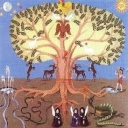
Ragnarök. Before the hall stands the golden treeÂ
Glasir, and the halls ceiling is thatched with golden shields. Various creatures live around Valhalla, such as the stagÂ
Eikþyrnir and the goatÂ
Heiðrún, both described as standing atop Valhalla and consuming the foliage of the treeÂ
Læraðr.Valhalla is attested in theÂ
Poetic Edda, compiled in the 13th century from earlier traditional sources, in theÂ
Prose Edda (written in the 13th century byÂ
Snorri Sturluson), inÂ
Heimskringla (also written in the 13th century by Snorri Sturluson) and in stanzas of an anonymous 10th century poem commemorating the death ofÂ
Eric Bloodaxe known asÂ
EirÃksmál as compiled inÂ
Fagrskinna. Valhalla has inspired various works of art, publication titles, and elements ofÂ
popular culture, and has become a term synonymous with a martial (or otherwise) hall of the chosen dead. The name is rendered in modern Scandinavian languages asÂ
Valhöll in Icelandic, while the Swedish and Norwegian form isÂ
Valhall, inÂ
Faroese itsÂ
Valhøll and in Danish itsÂ
Valhal.
Support
Comments (0)
 Newspaper from Argentina
 Facebook
 Instagram
 Discord
 Reddit