TheÂ
swastika symbol, å (
right-facing orÂ
clockwise) or å (
left-facing,Â
counterclockwise, orÂ
sauwastika), is an ancientÂ
religious icon in the cultures ofÂ
Eurasia. It is used as a symbol of divinity and spirituality inÂ
Indian religions, includingÂ
Hinduism,Â
Buddhism andÂ
Jainism.
In theÂ
Western world, it was a symbol ofÂ
auspiciousness and good luck until the 1930s
 when the right-facing tilted form became a feature ofÂ
Nazi symbolism as an emblem of theÂ
Aryan race. As a result ofÂ
World War IIÂ andÂ
the Holocaust, many people in the West still strongly associate it withÂ
Nazism andÂ
antisemitism.
 The swastika continues to be used as a symbol of good luck and prosperity in Hindu, Buddhist and Jain countries such as Nepal, India, Mongolia, Sri Lanka, China and Japan. It is also commonly used in Hindu marriage ceremonies.The wordÂ
swastika comes fromÂ
Sanskrit:Â
सà¥à¤µà¤¸à¥à¤¤à¤¿à¤•,Â
romanized:Â
svastika, meaning conducive to well-being.
 InÂ
Hinduism, the right-facing symbol (å) is calledÂ
swastika, symbolizingÂ
surya (sun), prosperity and good luck, while the left-facing symbol (å) is calledÂ
sauwastika, symbolising night orÂ
tantric aspects ofÂ
Kali.
 InÂ
Jainism, a swastika is the symbol forÂ
Suparshvanatha – the seventh of 24Â
Tirthankaras (
spiritual teachers andÂ
saviours), while inÂ
Buddhism it symbolises the auspicious footprints of theÂ
Buddha.
 In several majorÂ
Indo-European religions, the swastika symbolises lightning bolts, representing theÂ
thunder god and theÂ
king of the gods, such asÂ
Indra inÂ
Vedic Hinduism,Â
Zeus in theÂ
ancient Greek religion,Â
Jupiter in theÂ
ancient Roman religion, andÂ
Thor in theÂ
ancient Germanic religion.
The swastika is an icon which is widely found in both human history and the modern world.
 In various forms, it is otherwise known (in various European languages) as theÂ
fylfot,Â
gammadion,Â
tetraskelion, orÂ
cross cramponnée (a term in Anglo-NormanÂ
heraldry);Â
German:Â
Hakenkreuz;Â
French:Â
croix gammée;Â
Italian:Â
croce uncinata. InÂ
Mongolian it is called Ð¥Ð°Ñ (
khas) and mainly used in seals. InÂ
Chinese it is called åå— (
wà nzì) meaning all things symbol, pronouncedÂ
manji inÂ
Japanese,Â
manja (만ìž) inÂ
Korean andÂ
vạn tá»± / chữ vạn inÂ
Vietnamese. A swastika generally takes the form of aÂ
cross, the arms of which are of equal length and perpendicular to the adjacent arms, each bent midway at a right angle.
 The symbol is found in the archeological remains of theÂ
Indus Valley Civilisation andÂ
Samarra, as well as in earlyÂ
Byzantine andÂ
Christian artwork.
In Hindu and Buddhist cultures, the swastika is a holy symbol. On the holiday ofÂ
Diwali, Hindu households commonly use the swastika in decorations. Reverence for the swastika symbol in Asian cultures, in contrast to the Wests stigmatisation of the symbol, has led to misinterpretations and misunderstandings.
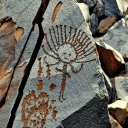
 Newspaper from Colombia
 - Social interactions and entertainment - 2 - 31 Oct 21 00:49
 Facebook
 Instagram
 Discord
 Reddit