Interesting Facts About Mercury |
Published in Georgia  - Social interactions and entertainment - 3 - 07 Aug 22 00:01
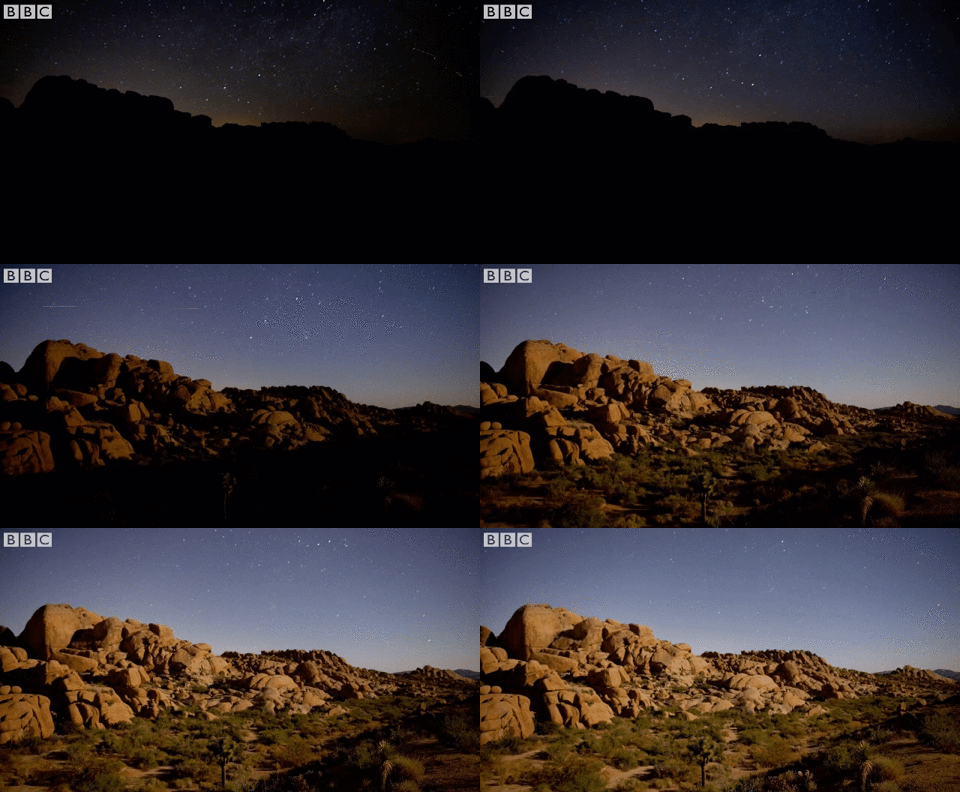
Longer Day Than Year
It takes Mercury 176 Earth days to complete a rotation around its axis and 88 days to complete a revolution around the Sun, meaning that a day is longer than its year. Mercury and the Sun are nearly in a tidal lock, which has slowed the planets rotation. Additionally, Mercury has the greatest orbital eccentricity, ranging from 29 million mi to 43 million mi.
 
Mercury’s Unique OrbitMercury revolves around the Sun at 180,246 kmh, which is the fastest of all planets. Its orbit is immensely elliptical, as its distance from the Sun varies between 29 million mi and 43 million mi. The elliptical orbit also influences its visibility from Earth, as it can move between clear visibility or not be visible at all.
 
Difficult To Spot In The SkyMercury plays peekaboo with the Sun, as the planet rises and sets close to when the Sun does, which can make it challenging to see it in the sky. Ironically, the planets existence was documented by ancient astronomers before the discovery of Venus and Mars. Current astronomers believe that the darker skies of the past made it possible for ancient astronomers to see Mercury.
 Mercury Has No Rings Or MoonsMercury and Venus are the only two planets in the Solar System without either a moon or ring. Astronomers believe that in the past, both planets had moons, but that the Sun’s immense gravity pulled them away. Moons offer a better understanding of the formation of planets, and the lack of a moon leaves certain questions unanswered.
 Second Hottest PlanetMercury may be the closest planet to the Sun, but it is not as hot as Venus. Mercury has a light atmosphere that allows heat to escape, unlike Venus, which has a dense atmosphere that traps the heat. The side of Mercury that faces the Sun experiences temperatures of approximately 427 °C, while the alternate side can be as cold as -173 °C. Venus has an average temperature of 427 °C, as its dense atmosphere circulates heat evenly throughout the planet.
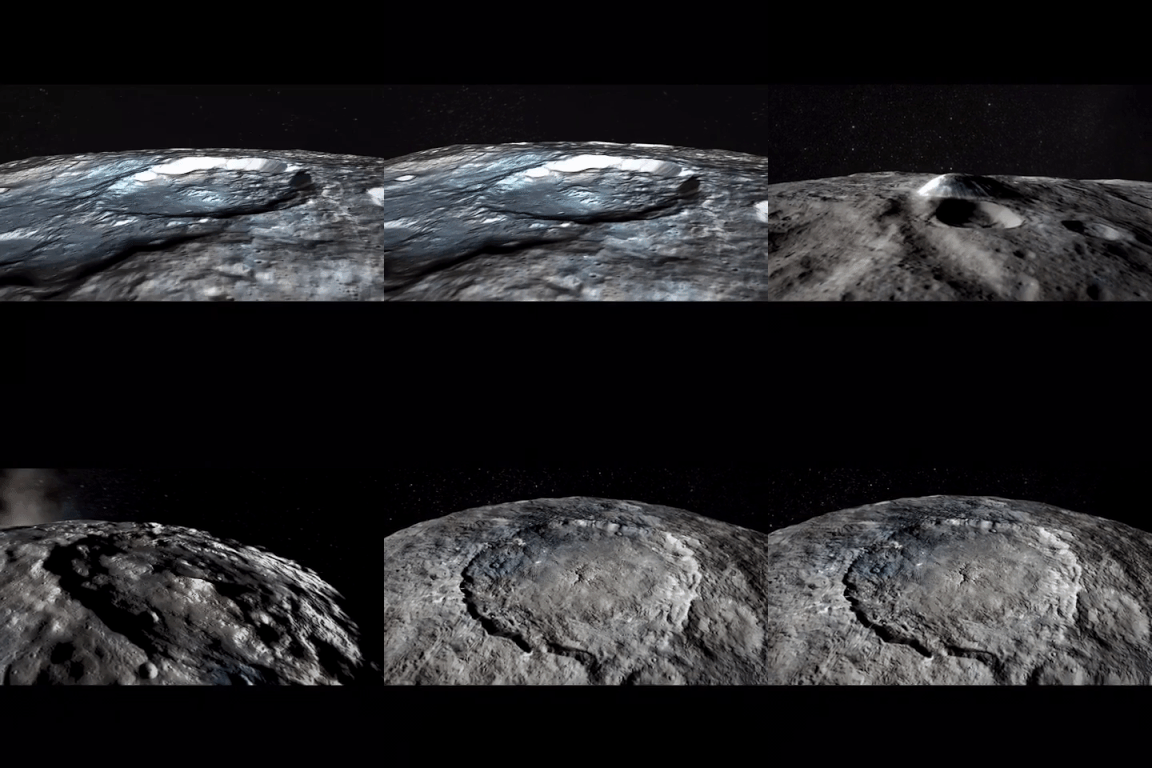 The Most Cratered PlanetWhile other planets self-heal after collisions with comets and asteroids, Mercury does not, which has led to numerous craters on the planets surface. Most are small craters, while a few are more than 50 mi wide. The largest crater is the Caloris Basin, which has a diameter of 963 mi.
 Two Probes Have Visited MercuryIt is challenging to travel between Earth and Mercury not only because the closest distance between the two planets is over 48 million mi, but also due to the immense temperature from the Sun. Only two probes have reached Mercury: NASAs Mariner 10in 1974-75 and NASAs MESSENGER in 2004. In 2018, the European Space Agency (ESA) and the Japanese Aerospace Exploration Agency (JAXA) launched the joint BepiColombomission that is expected to reach the orbit of Mercury in December 2025.

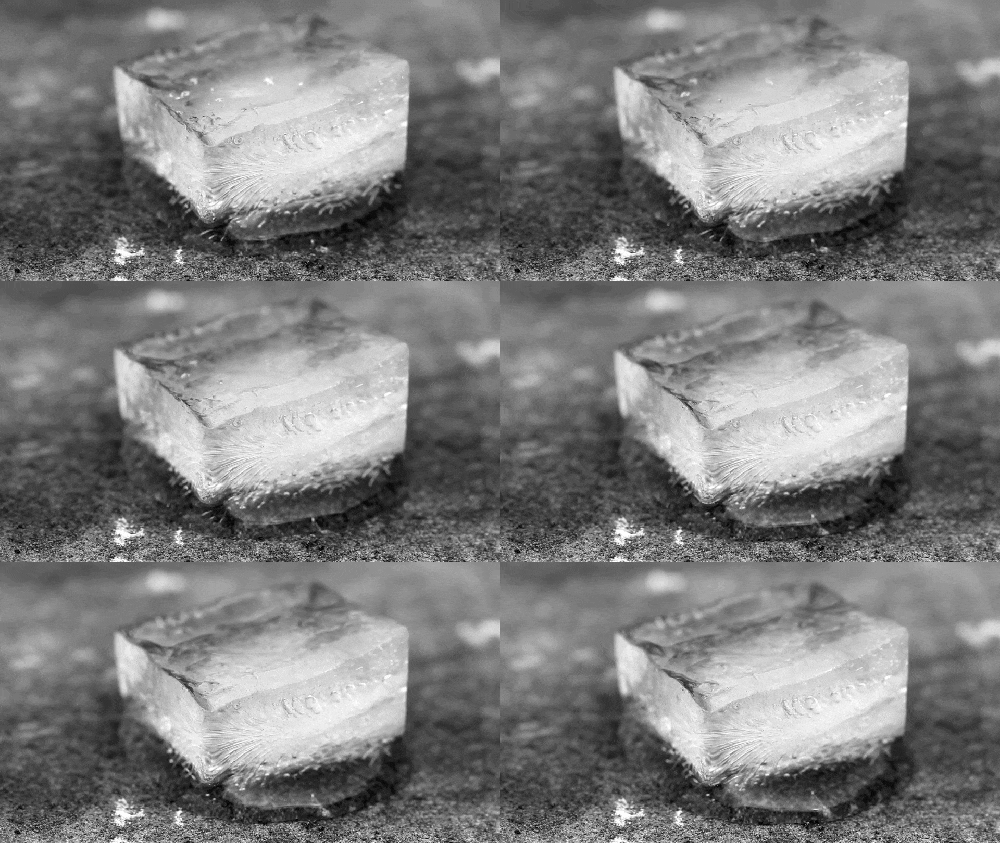 Mercury Has Organic Material And Water Ice
Surprisingly, given its proximity to the hot Sun, Mercury contains water ice. However, this ice is located within permanently shadowed craters that do not receive sunlight throughout the year. Organic materials, which are the building blocks of life, have also been discovered, but the harsh conditions on Mercury cannot support life as it exists on Earth. The concentration of sulfur on Mercury is unlike any other planet in the Solar System. Support
Vukan NemanicVukan NemanicMajkaFritezaAdmiral GeobodyAdmiral GeobodyAdmiral GeobodyAdmiral GeobodyAdmiral GeobodyAdmiral GeobodyAdmiral GeobodyAdmiral GeobodyAdmiral GeobodyFighter 007tavi29DionzGaladraelvisatorvisatorAridanraAridanra
Comments (3)
08 Aug 22 12:04
Mister KGood article bro, do more With the other planets

 Newspaper from Albania


 Facebook
 Instagram
 Discord
 Reddit