
15 interesting historical facts that you probably don't know | Tweet
Published in Russia  - Social interactions and entertainment - 2 - 05 Nov 22 03:55
1. Augustus Caesar was the wealthiest man to ever live in history.

Nephew and heir of Julius Caesar, Roman Emperor Augustus had an estimated net worth of $.46 trillion when counting for inflation.
Some say that Mansa Musa, king of Timbuktu, was the world’s wealthiest man as his wealth was apparently too great to count.
However, Augustus’s staggering wealth could be measured.
2. Alexander the Great was buried alive… accidentally.
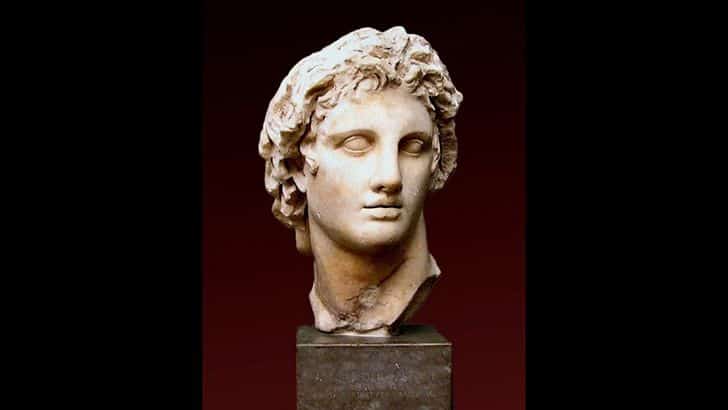 
At age 32 when he died, Alexander the Great had conquered and created the largest land-based empire the world has ever seen. It stretched from the Balkans to Pakistan.
In 323 BC, Alexander fell ill and, after 12 days of excruciating pain, he seemingly passed away.
However, his corpse didn’t show any signs of rot or decomposition for a whole six days.
3. The world’s most successful pirate in history was a lady.

Named Ching Shih, she was a prostitute in China. This was until the Commander of the Red Flag Fleet bought and married her.
But rather than just viewing her as a wife, her husband considered her his equal and she became an active pirate commander in the fleet. Under Shih’s leadership, the Red Flag Fleet consisted of over 300 warships, with a possible 1,200 more support ships. She even had a possible 40,000 – 80,000 men, women, and children.
4. Julius Caesar was stabbed 23 times.

Julius Caesar is probably the most iconic name associated with the Romans. Likewise, his assassination and death are also highly notorious.
Due to his coup d’état of the Roman Republic and his proclamation of himself as Dictator for Life, along with his radical political views, a group of his fellow Roman senators led by his best friend Brutus assassinated him on March 15, 44 BC.
During the assassination, Caesar was stabbed at least 23 times, before finally succumbing to his wounds.
He passed away with fabled words to his former best friend Brutus, allegedly being “you too, sweet child?â€
5. It was named the Colosseum because it was next to a statue called the Colossus.
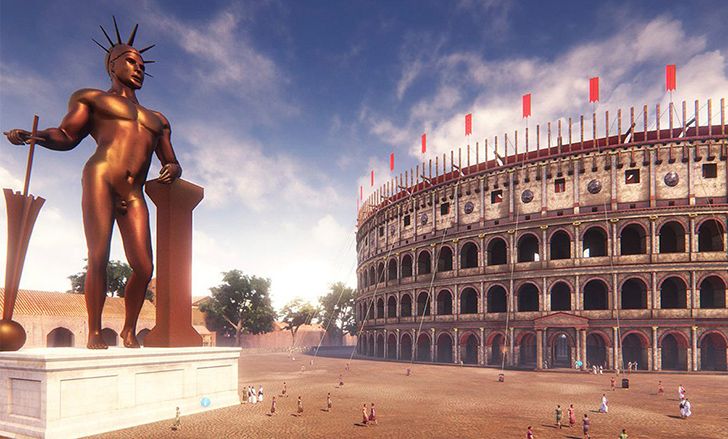
It was originally known as the Amphitheatrum Flavium, or Flavian Amphitheatre, as it was constructed during the Flavian dynasty.
Residents of Rome nicknamed it the Colosseo.
This was due to the fact that it was built next to a 164-foot statue of Emperor Nero known as “the colossus of Neroâ€.
6. Rasputin survived being poisoned and being shot.

Grigori Rasputin was a Russian mystic and supposed holy man. He became friends with the last Russian Tsar and Tsarina.
Over time, he came to influence the Russian royals much to the displeasure of many members of the Russian nobility.
This, combined with his drunkenness and lechery, led to several Russian nobles forming a plot to assassinate the man.
They invited him over to one of their houses, gave him cakes and wine laced with cyanide all to no effect, and then shot him in the chest.
To their horror, Rasputin started to cough and they realized he was still alive!
How did they fix the problem? The nobles shot Rasputin two more times – once in the head. Finally, they threw his body into the frozen Malaya Nevka River.
7. There were female Gladiators.

A female gladiator was called a Gladiatrix, or Gladiatrices (plural). They were rarer than their male counterparts.
Gladiatrices served the same purpose of executing criminals, fighting each other, and fighting animals in Rome’s various fighting pits.
8. The Vikings were the first people to discover America.

Half a millennium before Christopher Columbus “discovered†America, Viking chief Leif Erikson of Greenland landed on the Island of Newfoundland in the year 1,000 AD.
9. The Luftwaffe (the aerial warfare  branch of the German Wehrmacht before and during WW II) had a master interrogator whose tactic was being as nice as possible.

Hanns Scharff was a master interrogator who was very much against physical torture and brutality.
Scharff’s best tactics for squeezing information out of prisoners included: nature walks without guards present, baking them homemade food, cracking jokes, drinking beers, and afternoon tea with German fighter aces.
10. In Ancient Asia, death by elephant was a popular form of execution.

The elephants are very intelligent and easy to train, it proved easy enough to train them as executioners and torturers.
They could be taught to slowly break bones, crush skulls, twist off limbs, or even execute people using large blades fitted to their tusks.
In some parts of Asia, this method of execution was still popular up to the late 19th Century.
11. When Marcus Crassus died, molten gold was poured down his throat.
 Marcus Licinius Crassus was known as the wealthiest man in Rome during his life.
The son of a Consul of Rome, Crassus fought in Sulla’s Civil War, played a key part in defeating Spartacus and ending the Third Servile War, and formed the first Triumvirate with Julius Caesar and Pompey the Great.
A shrewd man, throughout all he did Crassus accumulated more and more wealth – and it was his thirst for wealth that would eventually lead to his downfall.
Leading his troops in an ill-fated conquest of Parthia (modern-day Iran), Crassus and his forces were brutalized and bested by the Parthians time and time again. The Parthians poured molten gold down his throat, as a symbol of his thirst for wealth.
12. A singing birthday card has more computer power in it than the entire Allied Army of WW II.
 
Hitler, Churchill, Stalin, and Roosevelt would have killed to get their hands on one of those cards!
The computer chip within them was so powerful by comparison that it would be inconceivable to the leaders of that time how we simply throw them away!
13. A Japanese fighter pilot once dropped wreaths over the ocean to commemorate the dead from both sides.

During a sea battle in the Pacific Ocean in December 1940, two Royal Navy ships, the HMS Prince of Wales and the HMS Repulse were sunk by Japanese fighters. The following day, Japanese Flight Lieutenant Haruki Iki flew to the location of the battle and dropped two wreaths over the seas.
One to commemorate the pilots of the Japanese Naval Air Force, who died. The other for the sailors of the British Navy, who fought so valiantly to defend their ships.
14. Captain Morgan was a real guy.

He was also a real captain, too. The face of the much-loved rum brand was a Welsh privateer who fought against the Spanish alongside the English in the Caribbean. His full name was Sir Henry Morgan and was knighted by King Charles II. He died in 1688 in Jamaica as a very wealthy man.
15. Before Julius Caesar invaded Britain, many Romans didn’t believe it existed.

Julius Caesar was the first-ever Roman to invade Britain. He did it twice in the years 55 and 54 BC. Some believed Britain to be just the foot of another huge northern continent. Others thought it was a place full of unbelievable riches, whilst most thought it just didn’t exist. Caesar’s first invasion of Britain was, in a militaristic sense, a resounding blunder. Due to the mythical nature of Britain, his invasion of the country was a huge PR success. It made him legendary in the eyes of many Romans.
I hope you enjoyed it. Have a nice day and cheers!

Nephew and heir of Julius Caesar, Roman Emperor Augustus had an estimated net worth of $.46 trillion when counting for inflation.
Some say that Mansa Musa, king of Timbuktu, was the world’s wealthiest man as his wealth was apparently too great to count.
However, Augustus’s staggering wealth could be measured.
2. Alexander the Great was buried alive… accidentally.
At age 32 when he died, Alexander the Great had conquered and created the largest land-based empire the world has ever seen. It stretched from the Balkans to Pakistan.
In 323 BC, Alexander fell ill and, after 12 days of excruciating pain, he seemingly passed away.
However, his corpse didn’t show any signs of rot or decomposition for a whole six days.
3. The world’s most successful pirate in history was a lady.
Named Ching Shih, she was a prostitute in China. This was until the Commander of the Red Flag Fleet bought and married her.
But rather than just viewing her as a wife, her husband considered her his equal and she became an active pirate commander in the fleet. Under Shih’s leadership, the Red Flag Fleet consisted of over 300 warships, with a possible 1,200 more support ships. She even had a possible 40,000 – 80,000 men, women, and children.
4. Julius Caesar was stabbed 23 times.
Julius Caesar is probably the most iconic name associated with the Romans. Likewise, his assassination and death are also highly notorious.
Due to his coup d’état of the Roman Republic and his proclamation of himself as Dictator for Life, along with his radical political views, a group of his fellow Roman senators led by his best friend Brutus assassinated him on March 15, 44 BC.
During the assassination, Caesar was stabbed at least 23 times, before finally succumbing to his wounds.
He passed away with fabled words to his former best friend Brutus, allegedly being “you too, sweet child?â€
5. It was named the Colosseum because it was next to a statue called the Colossus.
It was originally known as the Amphitheatrum Flavium, or Flavian Amphitheatre, as it was constructed during the Flavian dynasty.
Residents of Rome nicknamed it the Colosseo.
This was due to the fact that it was built next to a 164-foot statue of Emperor Nero known as “the colossus of Neroâ€.
6. Rasputin survived being poisoned and being shot.
Grigori Rasputin was a Russian mystic and supposed holy man. He became friends with the last Russian Tsar and Tsarina.
Over time, he came to influence the Russian royals much to the displeasure of many members of the Russian nobility.
This, combined with his drunkenness and lechery, led to several Russian nobles forming a plot to assassinate the man.
They invited him over to one of their houses, gave him cakes and wine laced with cyanide all to no effect, and then shot him in the chest.
To their horror, Rasputin started to cough and they realized he was still alive!
How did they fix the problem? The nobles shot Rasputin two more times – once in the head. Finally, they threw his body into the frozen Malaya Nevka River.
7. There were female Gladiators.
A female gladiator was called a Gladiatrix, or Gladiatrices (plural). They were rarer than their male counterparts.
Gladiatrices served the same purpose of executing criminals, fighting each other, and fighting animals in Rome’s various fighting pits.
8. The Vikings were the first people to discover America.
Half a millennium before Christopher Columbus “discovered†America, Viking chief Leif Erikson of Greenland landed on the Island of Newfoundland in the year 1,000 AD.
9. The Luftwaffe (the aerial warfare  branch of the German Wehrmacht before and during WW II) had a master interrogator whose tactic was being as nice as possible.
Hanns Scharff was a master interrogator who was very much against physical torture and brutality.
Scharff’s best tactics for squeezing information out of prisoners included: nature walks without guards present, baking them homemade food, cracking jokes, drinking beers, and afternoon tea with German fighter aces.
10. In Ancient Asia, death by elephant was a popular form of execution.
The elephants are very intelligent and easy to train, it proved easy enough to train them as executioners and torturers.
They could be taught to slowly break bones, crush skulls, twist off limbs, or even execute people using large blades fitted to their tusks.
In some parts of Asia, this method of execution was still popular up to the late 19th Century.
11. When Marcus Crassus died, molten gold was poured down his throat.
Marcus Licinius Crassus was known as the wealthiest man in Rome during his life.The son of a Consul of Rome, Crassus fought in Sulla’s Civil War, played a key part in defeating Spartacus and ending the Third Servile War, and formed the first Triumvirate with Julius Caesar and Pompey the Great.
A shrewd man, throughout all he did Crassus accumulated more and more wealth – and it was his thirst for wealth that would eventually lead to his downfall.
Leading his troops in an ill-fated conquest of Parthia (modern-day Iran), Crassus and his forces were brutalized and bested by the Parthians time and time again. The Parthians poured molten gold down his throat, as a symbol of his thirst for wealth.
12. A singing birthday card has more computer power in it than the entire Allied Army of WW II.
Hitler, Churchill, Stalin, and Roosevelt would have killed to get their hands on one of those cards!
The computer chip within them was so powerful by comparison that it would be inconceivable to the leaders of that time how we simply throw them away!
13. A Japanese fighter pilot once dropped wreaths over the ocean to commemorate the dead from both sides.
During a sea battle in the Pacific Ocean in December 1940, two Royal Navy ships, the HMS Prince of Wales and the HMS Repulse were sunk by Japanese fighters. The following day, Japanese Flight Lieutenant Haruki Iki flew to the location of the battle and dropped two wreaths over the seas.
One to commemorate the pilots of the Japanese Naval Air Force, who died. The other for the sailors of the British Navy, who fought so valiantly to defend their ships.
14. Captain Morgan was a real guy.
He was also a real captain, too. The face of the much-loved rum brand was a Welsh privateer who fought against the Spanish alongside the English in the Caribbean. His full name was Sir Henry Morgan and was knighted by King Charles II. He died in 1688 in Jamaica as a very wealthy man.
15. Before Julius Caesar invaded Britain, many Romans didn’t believe it existed.
Julius Caesar was the first-ever Roman to invade Britain. He did it twice in the years 55 and 54 BC. Some believed Britain to be just the foot of another huge northern continent. Others thought it was a place full of unbelievable riches, whilst most thought it just didn’t exist. Caesar’s first invasion of Britain was, in a militaristic sense, a resounding blunder. Due to the mythical nature of Britain, his invasion of the country was a huge PR success. It made him legendary in the eyes of many Romans.
I hope you enjoyed it. Have a nice day and cheers!
Support
Jasmminetavi29GaladraelLyaSerMajkaFritezaKursad TURKKursad TURKKursad TURKKursad TURKChicho John is hereDionzComments (2)

05 Nov 22 04:07
elhichkoComments (1) 0 05 Nov 22 02:34 elhichko https://www.edominations.com/en/article/33402 Your comment

 Facebook
 Instagram
 Discord
 Reddit