Italy - Nuragic civilization and Su Nuraxi |
Published in Turkey  - Social interactions and entertainment - 0 - 26 Dec 23 00:02

Bronze sculpture of a warrior with four eyes and four arms
The Nuragic civilization, also known as the Nuragic culture, was a civilization or culture on the Mediterranean island of Sardinia, Italy, which lasted from the 18th century BCÂ (Middle Bronze Age) (or from the 23rd century BC) up to the Roman colonization in 238 BC. Others date the culture as lasting at least until the 2nd century AD and in some areas, namely the Barbagia, to the 6th century AD or possibly even to the 11th century AD

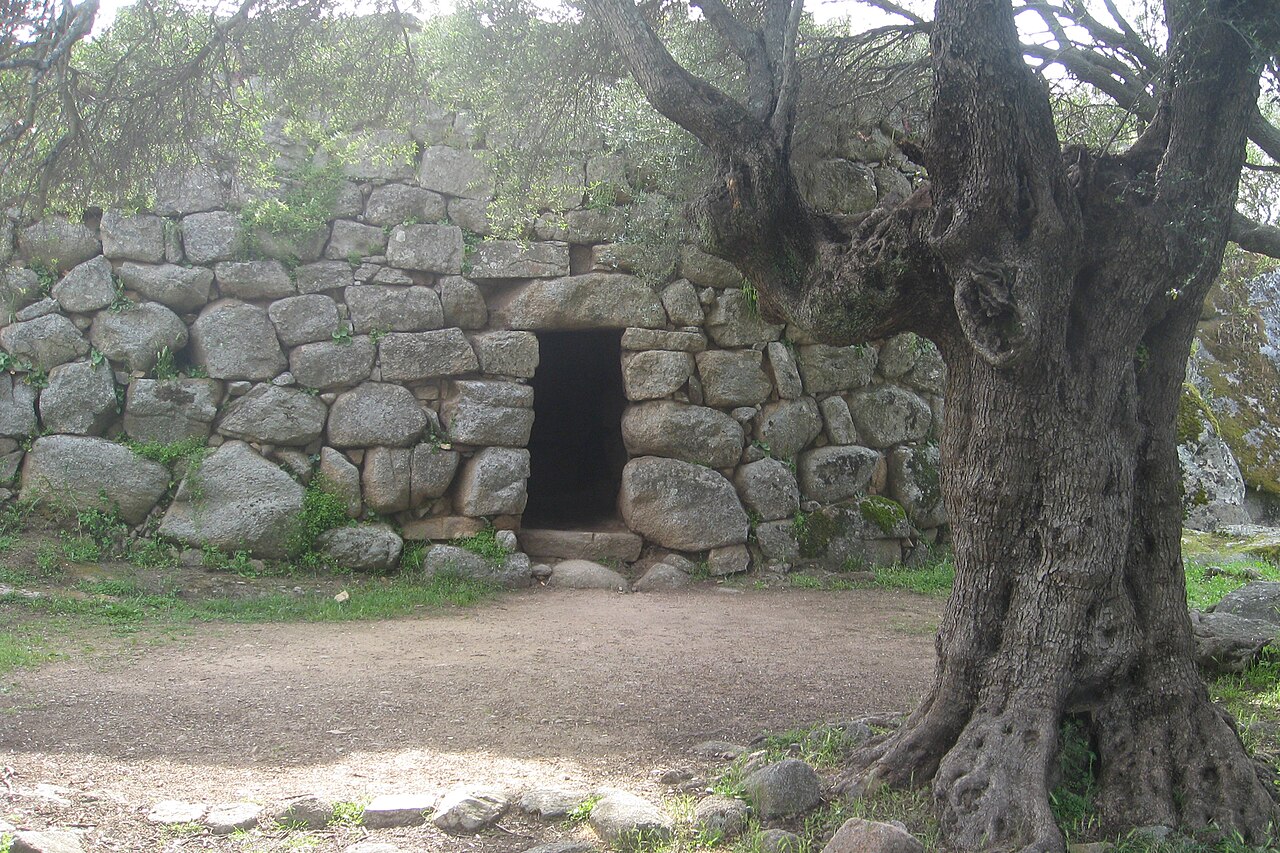
The adjective Nuragic is neither an autonym nor an ethnonym. It derives from the islands most characteristic monument, the nuraghe, a tower-fortress type of construction the ancient Sardinians built in large numbers starting from about 1800 BC. Today more than 7,000 nuraghes dot the Sardinian landscape.No written records of this civilization have been discovered, apart from a few possible short epigraphic documents belonging to the last stages of the Nuragic civilization. The only written information there comes from l literature of the Greeks and Romans, and may be considered more mythical than historical


Su Nuraxi is aÂ
nuragic archaeological site inÂ
Barumini,Â
Sardinia,Â
Italy.Â
Su Nuraxi simply means The Nuraghe inÂ
Campidanese, the southern variant of theÂ
Sardinian language.
Su Nuraxi is a settlement consisting of a seventeenth century BC nuraghe, a bastion of four corner towers plus a central one, and a village inhabited from the thirteenth to the sixth century BC, developed around the nuraghe. They are considered by scholars the most impressive expression of the nuragic civilization and were included in the UNESCO list of World Heritage Sites in 1997 as Su Nuraxi di Barumini.



Support
tavi29GaladraelMistiQMistiQMistiQMistiQ
Comments (0)
 Newspaper from Colombia
 Facebook
 Instagram
 Discord
 Reddit