Türkiye - Göbekli Tepe |
Published in Turkey  - Social interactions and entertainment - 1 - 18 Feb 24 00:02

Göbekli Tepe (Turkish: , Potbelly Hill) is a Neolithic archaeological site in the Southeastern Anatolia Region of Turkey. The settlement was inhabited from c. 9500 to at least 8000 BCE, during the Pre-Pottery Neolithic. It is famous for its large circular structures that contain massive stone pillars—the worlds oldest known megaliths. Many of these pillars are decorated with anthropomorphic details, clothing, and sculptural reliefs of wild animals, providing archaeologists rare insights into prehistoric religion and the particular iconography of the period. The 15 m (50 ft)-high, 8 ha (20-acre) tell is densely covered with ancient domestic structures and other small buildings, quarries, and stone-cut cisterns from the Neolithic, as well as some traces of activity from later periods.

The site was first used at the dawn of the Southwest Asian Neolithic period, which marked the appearance of the oldest permanent human settlements anywhere in the world. Prehistorians link this Neolithic Revolution to the advent of agriculture, but disagree on whether farming caused people to settle down or vice versa. Göbekli Tepe, a monumental complex built on the top of a rocky mountaintop, with no clear evidence of agricultural cultivation produced to date, has played a prominent role in this debate.Current excavators interpret Göbekli Tepe as a settlement, based on recent findings such as domestic structures and features, water supply installations, and Neolithic tools associated with domestic use. The sites original excavator Klaus Schmidt had described it as a sanctuary used by groups of nomadic hunter-gatherers from a wide area, with few or no permanent inhabitants.


No definitive purpose has been determined for the megalithic enclosures; Schmidt had described them as the worlds first temple that were intentionally and ritually backfilled. However, recent stratigraphic studies revealed that they had been filled by slope slide events, and were sometimes repaired and modified thereafter.The site was first noted in a survey in 1963. Schmidt recognized its significance in 1994 and began excavations there the following year. After his death in 2014, work continued as a joint project of Istanbul University, Şanlıurfa Museum, and the German Archaeological Institute, under the direction of Turkish prehistorian Necmi Karul. Göbekli Tepe was designated an UNESCO World Heritage Site in 2018, recognising its outstanding universal value as one of the first manifestations of human-made monumental architecture. As of 2021, less than 5% of the site had been excavated.


Göbekli Tepe was designated a UNESCO World Heritage Site in 2018, recognising its outstanding universal value as one of the first manifestations of human-made monumental architecture. As of 2021, less than 5% of the site had been excavated.Conservation work at the site caused controversy in 2018, when ÇiÄŸdem Köksal Schmidt, an archaeologist, and widow of Klaus Schmidt, said that damage was caused by the use of concrete and heavy equipment during the construction of a new walkway. The Ministry of Culture and Tourism responded that no concrete was used and that no damage had occurred.Â


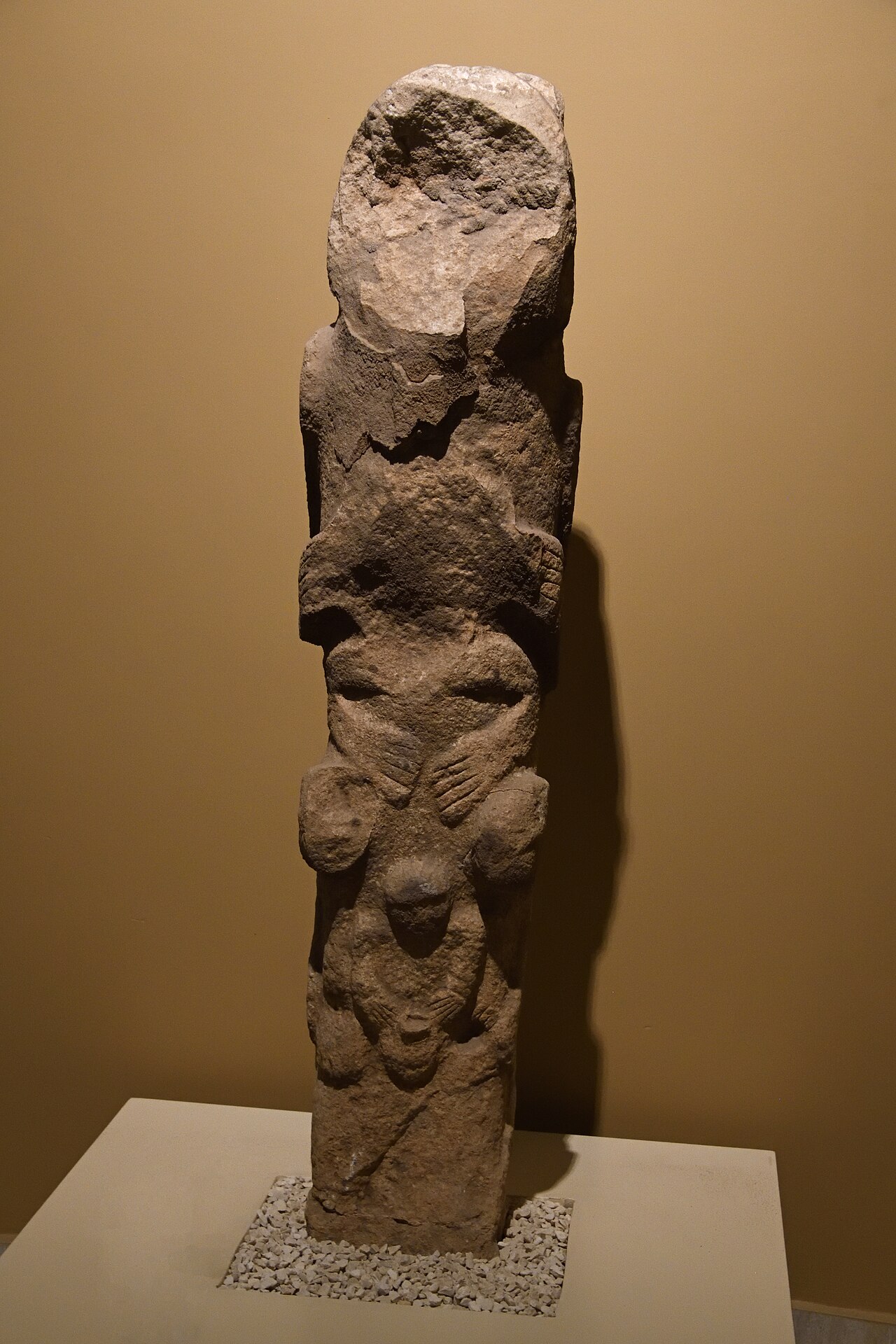

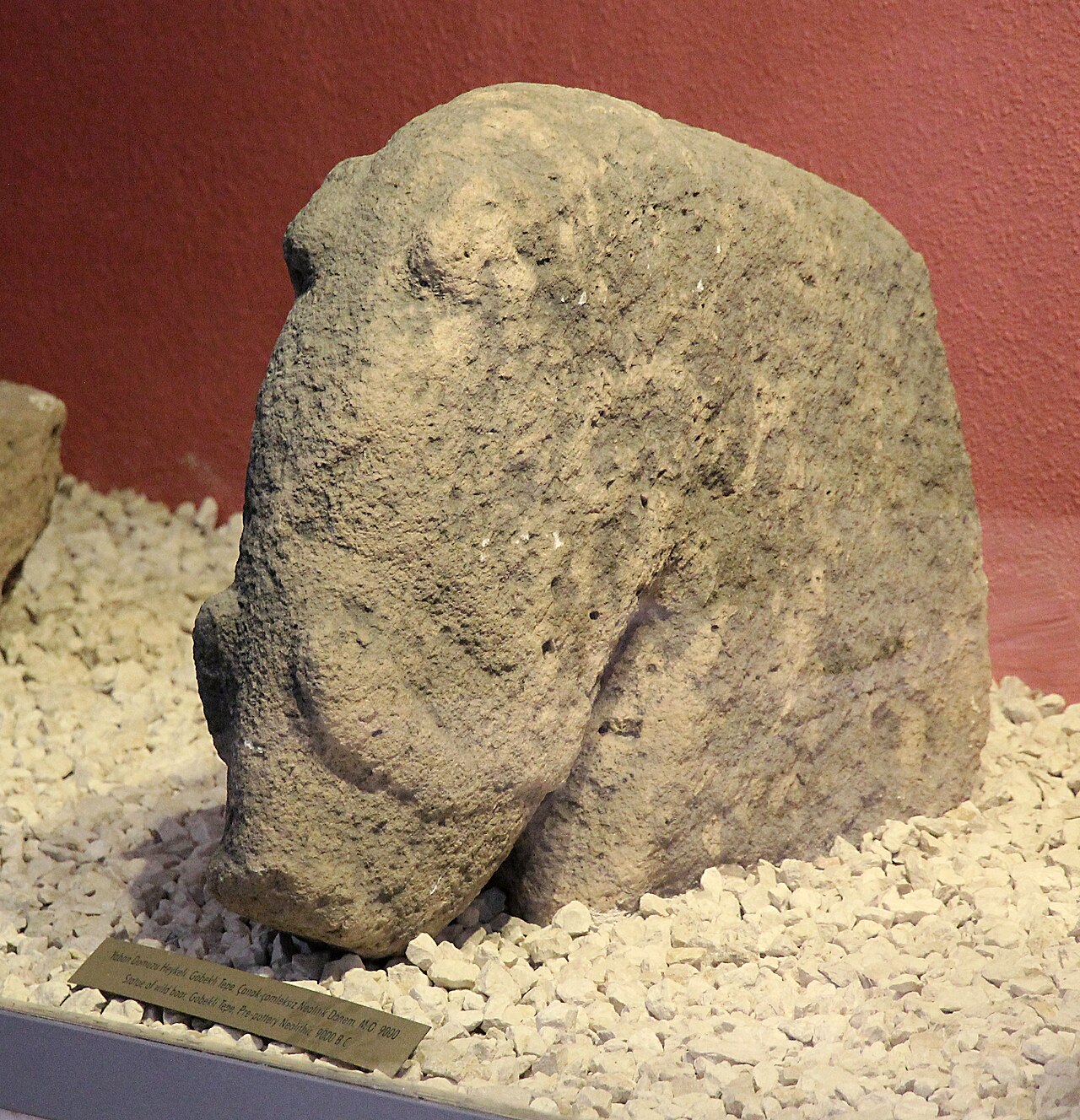

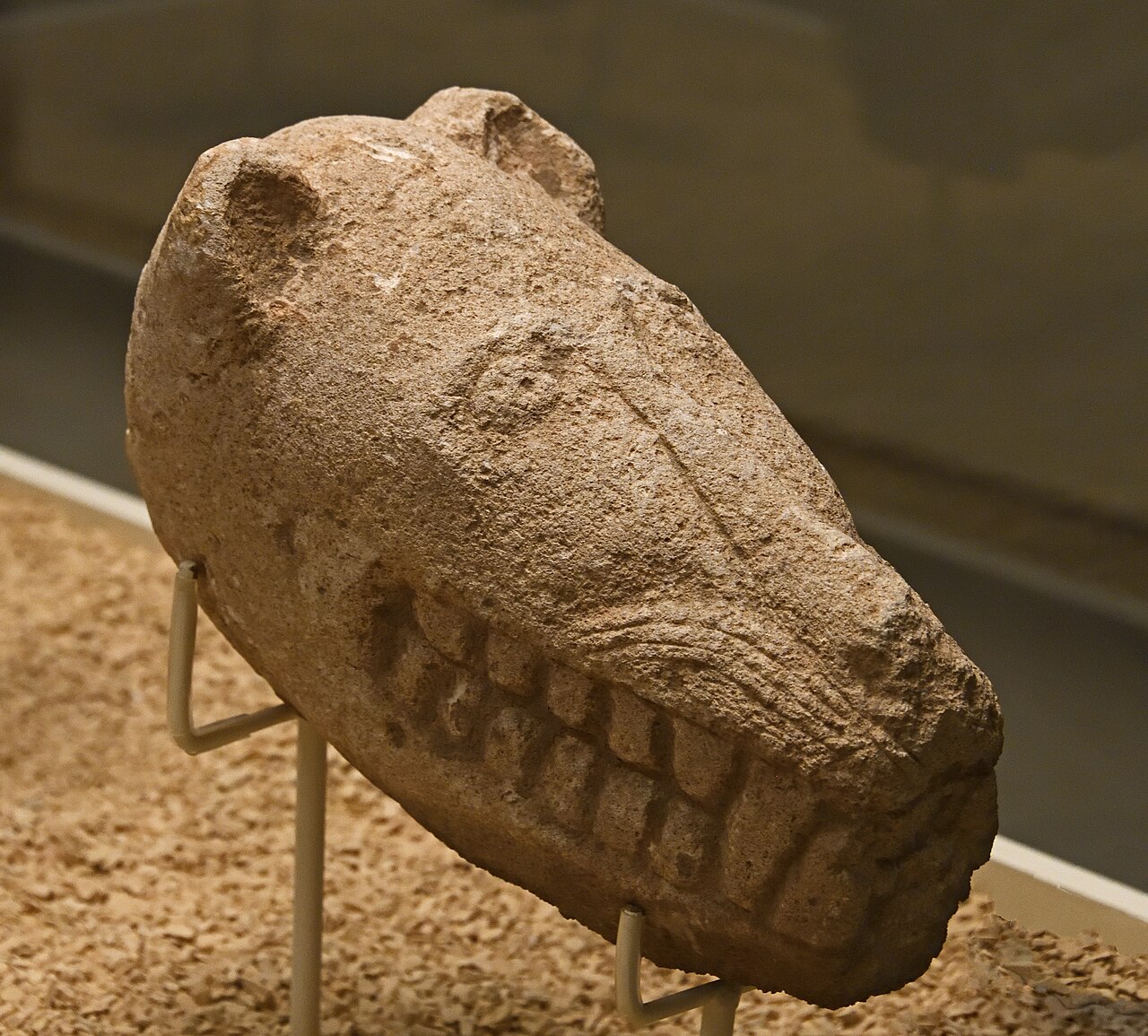


.Â
.Â
.Â
Support
GaladraelGaladraelMARIMARtavi29tavi29KvaszticsEmicevisator
Comments (1)
20 Feb 24 09:41
visatorIs an ancient town under water in Turkey?
 Newspaper from Colombia

 Facebook
 Instagram
 Discord
 Reddit